

Companion planting has come a long way from its reputation as an old-school gardening method. Once associated with backyard hobbyists and trial-and-error planting, it has now become one of the most widely embraced approaches to growing a productive, resilient garden.
As more gardeners look for ways to grow food sustainably, reduce chemical use, and make the most of their space, companion planting has naturally found its way back into the spotlight. Whether you are growing in raised beds, containers, or a full backyard plot, it is a simple and effective way to get more out of your garden without adding extra work.
And the best part is that it does not require expensive tools or complicated systems. With a bit of thoughtful planning, you can create a garden that largely supports itself.

What is Companion Planting?
At its core, companion planting is the practice of growing different plants close together so they can benefit one another. These benefits can include improved growth, better flavor, natural pest control, and more efficient use of space and resources.
But companion planting is not just about putting random plants side by side and hoping for the best. It is about understanding how plants interact, both above and below the soil.
Just like people, some plants thrive together, while others compete or even inhibit each other’s growth. Learning these relationships is what transforms companion planting from a trend into a powerful gardening strategy.
Why Companion Planting Works
Natural Support Systems
One of the simplest benefits of companion planting is physical support.
Tall, sturdy plants can act as natural structures for climbing or sprawling crops. For example, sunflowers or corn can provide a living trellis for cucumbers, beans, or squash. This reduces the need for cages or stakes and makes better use of vertical space.
This method is especially useful in smaller gardens or raised beds, where every inch matters. By growing upward as well as outward, you can significantly increase your yield without expanding your footprint.
Healthier Soil, Stronger Plants
Healthy soil is the foundation of any successful garden, and companion planting helps maintain and even improve it over time.
Different plants have different root structures and nutrient needs. Deep-rooted crops like carrots and parsnips pull nutrients from lower layers of the soil, while shallow-rooted plants access nutrients closer to the surface. When planted together, they are less likely to compete and more likely to complement each other.
Legumes such as beans and peas play an especially important role. They have the ability to fix nitrogen in the soil, making it more available to nearby plants. This natural fertilization process reduces the need for synthetic inputs and supports steady, balanced growth.
Over time, these interactions can improve soil structure, increase microbial activity, and even enhance the flavor and quality of your harvest.

Weeds thrive in open, unused space. Companion planting helps eliminate those gaps.
By combining upright plants with spreading or ground-cover varieties, you create a dense planting system that shades the soil. This makes it harder for weeds to germinate and establish themselves.
Not only does this reduce the time you spend weeding, but it also helps the soil retain moisture, which is especially important during warmer months.
Protection from Sun and Wind
Weather patterns are becoming more unpredictable, and companion planting offers a simple way to protect your garden from extremes.
Taller plants can provide partial shade to more delicate crops, preventing scorching during hot summer days. Similarly, dense plantings can act as a windbreak, reducing damage to fragile stems and leaves.
This kind of natural protection creates a more stable growing environment and reduces stress on your plants, leading to healthier growth overall.
Pest Control and Pollination
One of the most powerful benefits of companion planting is its ability to naturally manage pests while attracting beneficial insects.
When you plant a variety of crops together instead of large blocks of the same plant, it becomes harder for pests to find and spread between them. This diversity acts as a natural form of pest control.
At the same time, adding flowers and herbs to your garden attracts beneficial insects like hoverflies, lady beetles, and parasitic wasps. These insects feed on common pests such as aphids, helping to keep populations under control.
Pollinators also benefit from a diverse planting scheme. Bees and other pollinators are more likely to visit a garden that offers a continuous supply of nectar and pollen. This directly impacts crops like squash, beans, and fruiting plants, improving both yield and quality.

Smarter Watering with Companion Planting
One of the most overlooked aspects of companion planting is how it can improve watering efficiency.
Grouping plants with similar water needs allows you to water more precisely and avoid over or under watering certain areas.
Deep-rooted plants like tomatoes, asparagus, and sweet potatoes prefer longer, less frequent watering sessions that allow moisture to reach deeper into the soil. In contrast, shallow-rooted plants like onions, garlic, and lettuce benefit from lighter, more frequent watering that keeps the top layer of soil consistently moist.
By organizing your garden in this way, you can create natural watering zones that align with how your plants grow.
This approach not only improves plant health but also conserves water and reduces waste. Tools like weeper hoses or drip systems can make this even easier by delivering water exactly where it is needed, with minimal effort.

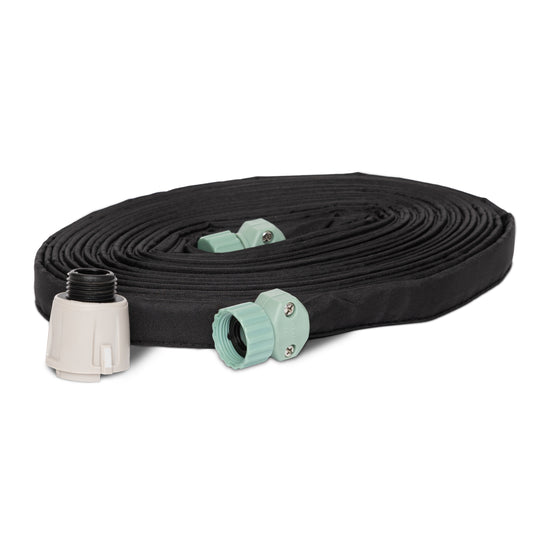
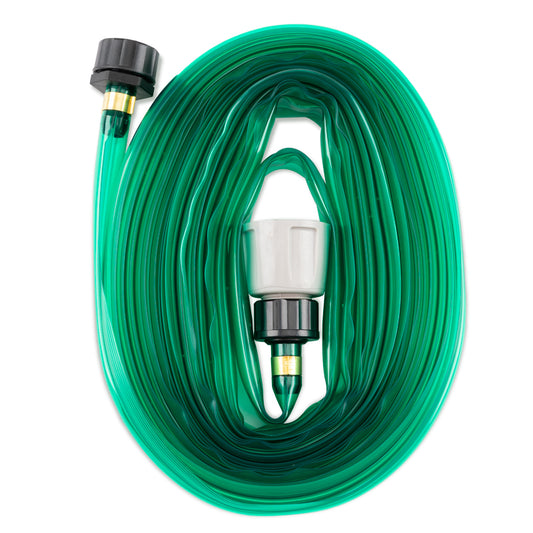
Companion Planting in Raised Garden Beds
Raised beds are ideal for companion planting because they allow for more control over soil quality, spacing, and layout. However, because space is limited, choosing the right combinations becomes even more important.

Here are some reliable pairings to try:
Tomatoes, Basil, and Garlic
This is one of the most popular companion planting combinations for a reason.
Basil is believed to enhance the flavor of tomatoes while also helping to repel pests like aphids. Garlic adds another layer of protection by deterring insects and even some fungal issues.
Together, they create a balanced and productive growing environment.
Lettuce, Carrots, and Chives
This trio works well in tighter spaces.
Carrots grow deep into the soil, while lettuce stays near the surface, making efficient use of vertical space. Chives help deter pests like aphids and beetles, protecting both crops.
This combination is ideal for continuous harvesting throughout the season.
Kale and Beets
Kale and beets complement each other through their root systems and growth habits.
Beets develop deeper in the soil, while kale has a shallower root system. This reduces competition and allows both plants to thrive.
Kale can also be harvested gradually, while beets take longer to mature, giving you a steady supply of produce.
Radishes and Marigolds
Radishes grow quickly and are often used as a marker crop, but they can also benefit from companion planting.
Marigolds are well known for their ability to deter soil pests and harmful insects. Pairing them with radishes helps protect developing roots.
For even better results, consider adding herbs like dill or chives to further discourage pests like slugs.

Designing a Garden That Looks as Good as It Grows
Companion planting is not just about function. It also opens the door to more creative and visually appealing garden designs.
Mix Flowers and Edibles
Blending vegetables, herbs, and flowers creates a more dynamic and attractive space.
Flowers add color and texture while supporting pollinators and beneficial insects. This creates a garden that is not only productive but also enjoyable to spend time in.
Plan for Continuous Color
Choosing plants with overlapping bloom times ensures your garden always looks lively.
Instead of having all your plants peak at once, aim for a sequence of blooms that carry your garden through the entire season.
Plant by Height
Arranging plants by size creates a clean and organized look while also ensuring that all plants receive adequate sunlight.
Place taller plants at the back of beds, mid-sized plants in the middle, and shorter plants at the front. This simple structure improves both aesthetics and functionality.
A Modern Approach to an Old Technique
Companion planting is not about strict rules or perfect combinations. It is about observing your garden, experimenting with different pairings, and learning what works best in your specific conditions.
As gardening continues to evolve, this approach fits perfectly with a more sustainable, low-maintenance mindset. It encourages biodiversity, reduces reliance on chemicals, and helps create a balanced ecosystem right in your backyard.
Whether you are just getting started or looking to refine your current setup, companion planting is a simple change that can make a big difference.
With time, you will find that your garden becomes more resilient, more productive, and easier to care for. And that is what modern gardening is all about.
|
PLANT |
COMPANIONS |
COMPETITORS |
|
Asparagus |
Basil, Parsley |
Potatoes, Beetroot |
|
Beans |
Cucumbers, Marigolds |
Garlic, Sunflowers |
|
Beetroot |
Silver beet, Dill |
Beans, Tomatoes |
|
Cabbage |
Lavender, Nasturtium, Tansy |
Strawberries, Tomatoes |
|
Cucumbers |
Artichoke, Nasturtium |
Potatoes, Beans |
|
Eggplants |
Beans, Marjoram |
Beans, Peas |
|
Leek |
Carrot, Celery |
Beans, Peas |
|
Potatoes |
Lettuce, Silver beet, Onion |
Sunflowers, Pumpkin, Onions |
|
Spinach |
Beetroot, Onion |
Celery, Shallots |
|
Strawberries |
Lettuce, Silver beet, Spinach |
Cabbage, Tomatoes, Garlic |