Ever wondered when the best time to prune your plants is? Or the right technique to keep them healthy and flourishing? With the right tools and knowledge, your plants will be thanking you for the pruning in no time!
When to Prune
Typically, late winter or early spring is the best time to prune your plants. This is because plants are often dormant during coller temperatures and aren't actively growing, making it easier to shape them and remove dead or damaged branches.
As gardener @theeverhopefulgardener explains:
“In the winter, when your plants are dormant and there’s no foliage on them, it’s so much easier to see what you might wanna prune for aesthetic reasons, and to identify dead parts.”
Prune on a dry day whenever possible. Pruning in wet weather increases the risk of spreading disease and slows healing.

How to Tell If a Branch Is Dead (3 Simple Tests)
Not sure if something is dead or just dormant? @theeverhopefulgardener recommends three quick methods:
“You can gently bend a branch to see if it’s flexible or if it snaps and is dead. You can also look for buds already forming… And if you're still not sure, do a scratch test with your fingernail. Brown is dead, green is alive.”
1. Bend Test: Gently bend the branch
- Flexible = alive
- Snaps easily = dead
2. Bud Check: Look for buds forming on branches
3. Scratch Test: Lightly scratch bark with your fingernail
-
- Green = alive
- Brown = dead
Quick Pruning Calendar
Not all plants follow the same pruning schedule, here’s a simple guide to help:
- Spring-flowering shrubs (lilac, azalea, forsythia): prune right after flowering
- Summer-flowering shrubs (butterfly bush, crepe myrtle): prune late winter/early spring
- Roses: late winter/early spring is best (timing depends on variety)
- Fruit trees: prune in winter for structure, and do light summer pruning if needed
- Evergreens: minimal pruning—best done in late winter or early spring
- Hydrangeas: timing varies by type (some bloom on old wood, some on new)
When in doubt, always check your specific plant type. Pruning at the wrong time can reduce flowers or fruit.
The Right Technique For Pruning Your Plants
When pruning is done with the right technique, you will be reaping the rewards, from a healthy plant to more fruit, foliage, growth and flowers. To get back to basics, pruning is essentially a tidy-up to control the growth, as well as remove the dead, damaged or diseased wood.
A typical rule of thumb is:
- Hard pruning = the more aggressive the future growth,
- Light pruning = the steadier the growth.
Pruning can be done not only for plant health reasons but for aesthetic ones. Some people choose to prune their plants a certain way to suit the design of their garden, for example.
Pruning best practices:
-
As a first step, conduct some research on the type of plant you are pruning.
-
Remove dead, damaged, or diseased growth first.
-
Cut just above an outward-facing bud to encourage open growth.
-
Remove crossing or rubbing branches
-
Thin dense sections to let light and air through
As @theeverhopefulgardener explains using an apple tree example:
“I’m going to look for any branches that are crossing and rubbing… any branches that are dead… and I’m going to open up the inside of the tree like a bowl to increase airflow.”

How to Prune Houseplants
Some of you may be wondering how to go about pruning house plants, and thankfully, the rules are very similar. Late winter or early spring is definitely the best time but as always, remove any unhealthy areas of the plant whenever it’s required.
- Start by looking at the shape of the plant and observe any areas that may be dead and remove those first. This step also includes any dead flowers that may still be hanging on.
- When cutting, cut just before the leaf node. This will encourage new growth. However, don’t cut away too much; you still need some plant there.
- Leave at least 75% of the plant to keep it in good health.
Top tip: off-cuts from a plant can be propagated into new ones! This is as simple as popping the cutting into a jar with some water (ensure the top of the plant is above the water, only the stem should be submerged).
Soon you will notice the cutting is starting to grow. Once it is more established, it can be kept and enjoyed once replanted in the soil, or they make excellent homegrown gifts!
As with all plants, there are some house plants that should and some that shouldn’t be pruned. Refer to information online or from a local expert for your specific plant when it comes to giving it the correct care.
Essential Pruning Equipment
So, you may be wondering what equipment you need for pruning? Thankfully, Hoselink has you covered with the right tools to have you mastering pruning techniques in no time.
Heavy Duty Secateurs
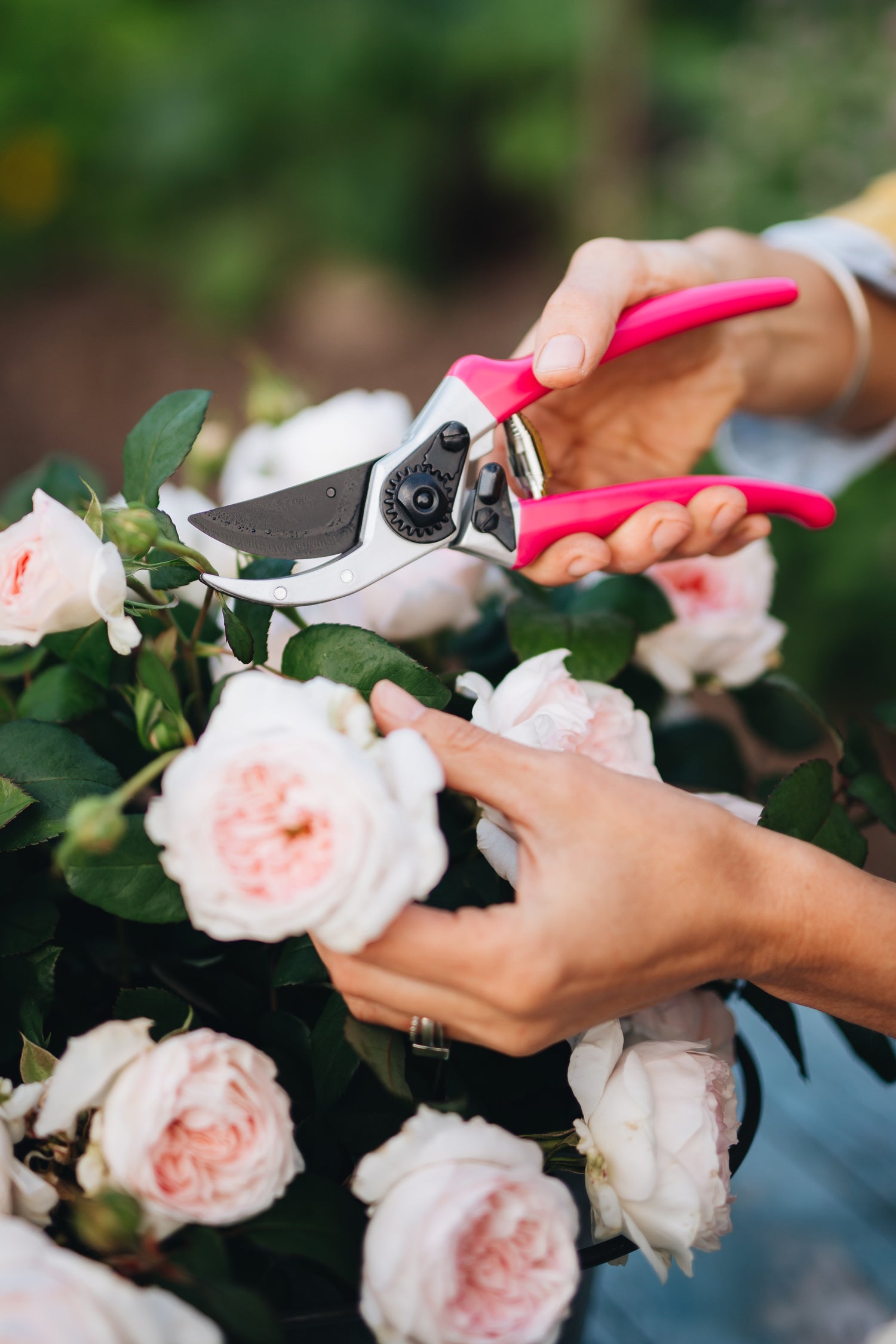
First of all, a favorite for many reasons is the Heavy Duty Eight Inch Secateurs. These are available in pink, green and peach colorways and will allow you to experience just how easy pruning can be!
The Hoselink Secateurs are fitted with an easy grip, ergonomically designed handle and safety lock to prevent injury when not in use.
Whether it's woody stems, roses or branches, the Hoselink Secateurs will make pruning easier than ever due to its strong Japanese steel blades.
Ratchet Pruners
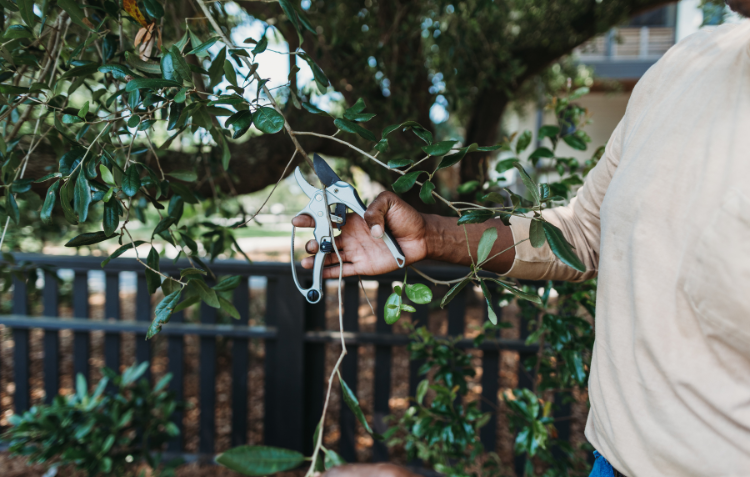
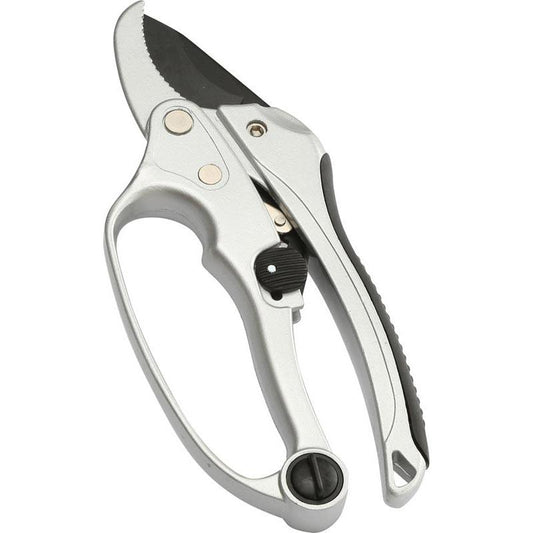
If you’re after more cutting tools, Hoselink’s Ratchet Pruners are perfect for the job.
Suitable for limbs up to ¾" deep, they are also great for reducing the fatigue in your hands thanks to the ergonomically designed handle that delivers on power while being easy to use.
Constructed with Japanese steel, the blades on the Ratchet Pruners have been coated in Teflon to ensure they last.
Furthermore, other handy features include a locking system and lubricant stored in the handle of the Pruners.
Top tip: It is crucial that the equipment you are pruning with is clean to minimize the risk of disease spreading from plant to plant. With the right care, these Ratchet Pruners will last you for years to come!

How Often Should You Prune?
While it is advised you prune whilst the plant is dormant, pruning can and should be done almost year-round.
If you ever notice:
- crossed branches
- damaged limbs
- diseased growth
- weak shoots
... they should be pruned as quickly as possible to prevent any impact to the plant’s overall health.
Despite what you may think, certain branches do have the ability to derail the plant very quickly if they are not pruned.
Keep in mind that it is still possible to injure a plant or stunt its ability to flower or grow further, especially whilst it is vulnerable in fall or early winter.
If you do find yourself with a sick or neglected plant, a more intense prune may be necessary. Doing a major prune back during the winter whilst the plant is dormant will allow for it to get ready for new growth.
Whilst it may take some time, keep in mind that you should avoid having your plant waste its resources trying to heal sick branches!
Remember to stick to the recommendations of the plant species to avoid any issue and to maximize success.
What If It's Too Cold to Prune?
If you're experiencing below-freezing temperatures, it might not be the right time to prune outdoors.
But you can still prepare.
“Winter or the off-season is a great time to sharpen and oil all of your pruning tools. That way, when the time is right… you’re ready.”
This ensures cleaner cuts and helps prevent plant damage when pruning season begins.
Hoselink's Sharpener is easy to use thanks to its ergonomically designed comfortable grip handle. It also features a handy lubricant well at the base of the handle, with oil supplied inside for your convenience.

A Spring Cleanup Tip (Don’t Toss Everything)
If you’re pruning out dead material in late winter, you might be removing stems where insects are overwintering.
As @theeverhopefulgardener suggests:
“If you’re doing some pruning to clean up for spring… and removing dead plant material that insects might be overwintering in… instead of throwing that in the trash or compost, just lay it on the ground.”
This gives beneficial insects a chance to emerge naturally, while the material breaks down and nourishes your soil.
Thanks to @theeverhopefulgardener for sharing pruning tips and expert insight featured in this post. Want more gardening inspiration? Check her out on Instagram here.