
Save this guide for early spring and follow these expert-backed steps to get your lawn healthy and thriving again.
As winter fades, the sun returns, birds begin to sing, and trees start to leaf out—but your lawn may still look thin, patchy, or brown. Snow, frost, and cold temperatures can take a serious toll on turf, leaving even well-maintained lawns struggling to bounce back.
While winter weather is often the main culprit, lawn damage can also stem from compacted soil, poor drainage, improper fertilization, pests, disease, or simply using a grass type that isn’t well suited to your climate.
The good news is that brown grass doesn’t always mean dead grass.
“Temperatures are cool enough in spring for seeds to germinate, and performing the necessary upkeep before June will put your garden in good shape,” says The Lawn Whisperer, Justin Webb.
Below are the most effective steps to revive your lawn after winter and set it up for a strong growing season.
Assess Your Lawn After Winter
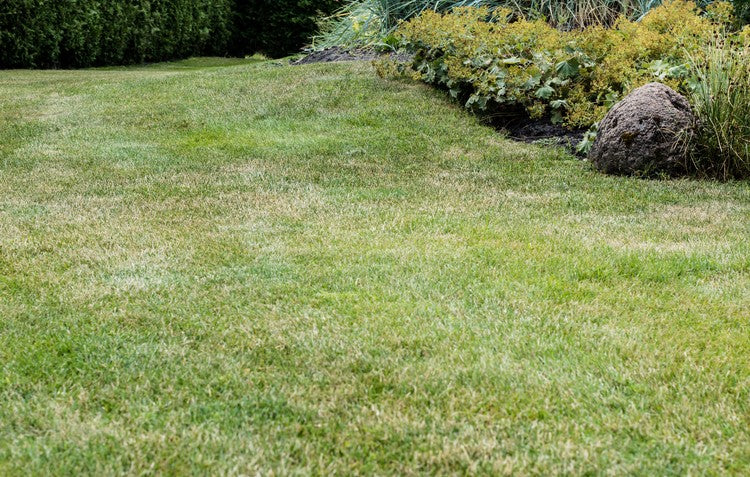
Once the winter’s snow and ice melt away, the first thing you’ll want to do is check whether your lawn has actually survived.
Simply give a gentle tug to any parts of your lawn that seem questionable. “If you’re met with some resistance, it means the roots are hanging on and your grass is still alive,” says Webb.
The brown areas will need a little more time to resuscitate as those alternating winter freezes and thaws can make turf roots quite brittle, even if they are still breathing.
Note that if you live on a street that’s been plowed, road salt can unfortunately kill grass too.
Grab a spade and use it to cut out the dead and discoloured areas of your lawn that lay loose, and gently rake up the debris.
Clear Debris and Reduce Thatch
After winter, leaves, dead grass, and organic matter often accumulate into a layer known as thatch, which can block air, water, and nutrients from reaching the soil.
A light layer of thatch is normal, but too much can:
-
Trap moisture
-
Encourage fungal issues like snow mold
-
Slow spring green-up
Light raking is often enough for minor buildup. Lawns with thicker layers may benefit from dethatching or power raking to reset the surface and encourage healthy growth.

Repair Damage from De-Icing Salt
If you happen to live in an area that experiences snow, the grass that borders your nearby sidewalks and driveways may suffer damage from de-icing salt, a compound used to melt snow in urban areas.
You can apply a thin layer of gypsum—a naturally occurring mineral that’s also used as a soil conditioner, to replenish the area with calcium and sulfur. Make sure to water thoroughly.

Aerate Compacted Soil
Persistent snow, sleet and rain can really weigh down on your yard, the same way heavy foot traffic can.
This makes it hard for your roots to get the vital nutrients they need to grow.
If your lawn is waterlogged from winter’s harsh elements, you can aerate your soil, which allows for drainage and increases the oxygen and mineral levels within your soil.
When it comes to aerating, there are two different methods that you can use:
- Spiking
- Pricking
Spiking involves creating holes using a garden fork, or similar tool, which is a great approach for small areas.
When using the pricking method, you’ll need a rolling aerating tool, available at many hardware stores.
Simply roll the tool along your lawn and each spike will pierce the soil with a hole that will loosen up the ground and allow oxygen in to help your lawn breathe.

Fertilize According to Your Grass Type
Spring fertilization plays a key role in recovery, but timing and product choice matter.
- Cool-season grasses (Kentucky bluegrass, fescue, ryegrass) benefit from light early-spring feeding to support steady growth.
- Warm-season grasses (Bermuda, Zoysia, St. Augustine) should be fertilized later, once soil temperatures rise and active growth begins.
Quick-release fertilizers can deliver fast green-up but carry a higher risk of burning grass if overapplied. Slow-release fertilizers feed lawns more gradually and are often safer for long-term health. If your lawn is severely stressed, a carefully applied quick-release option may help jumpstart recovery.
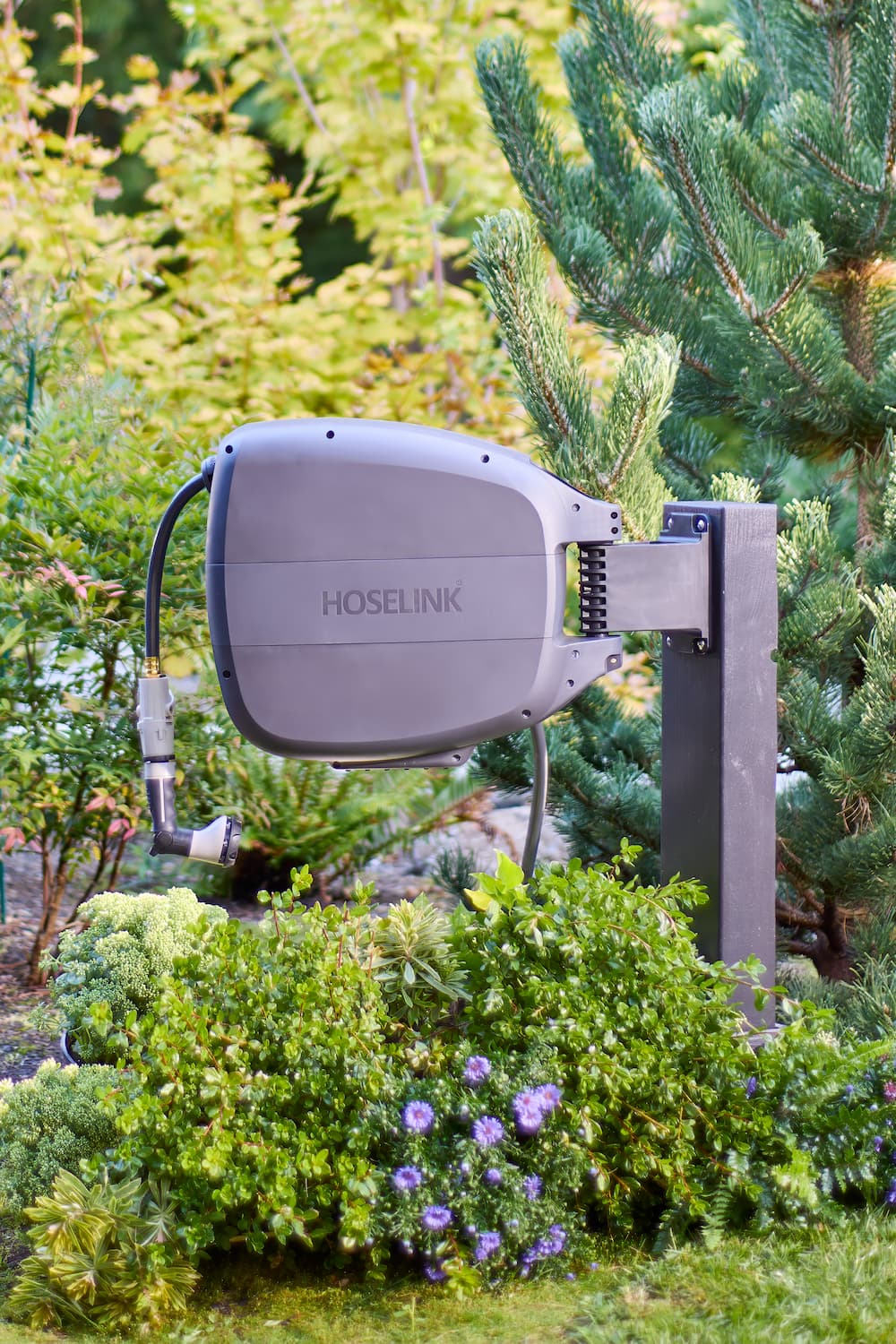
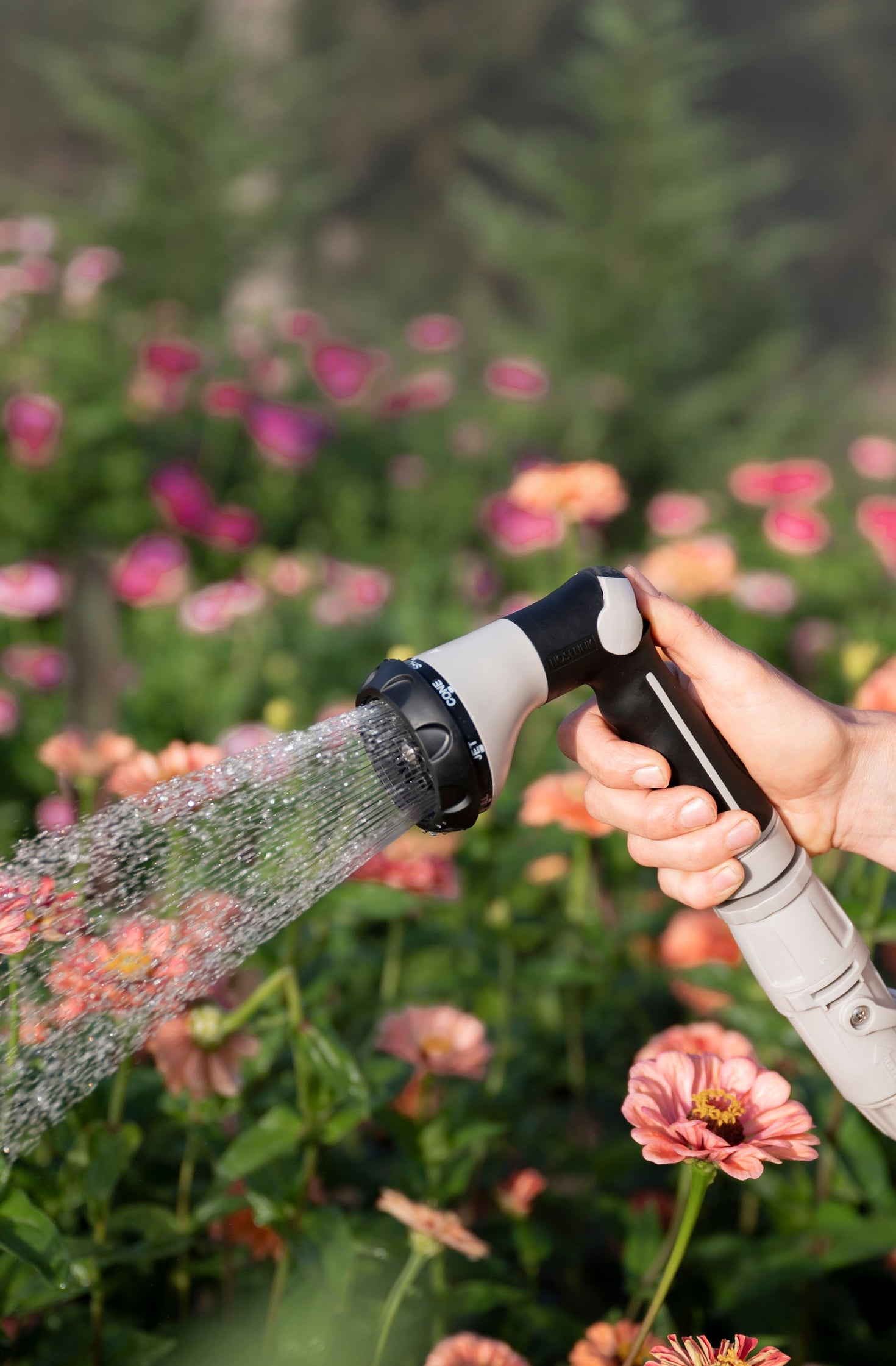
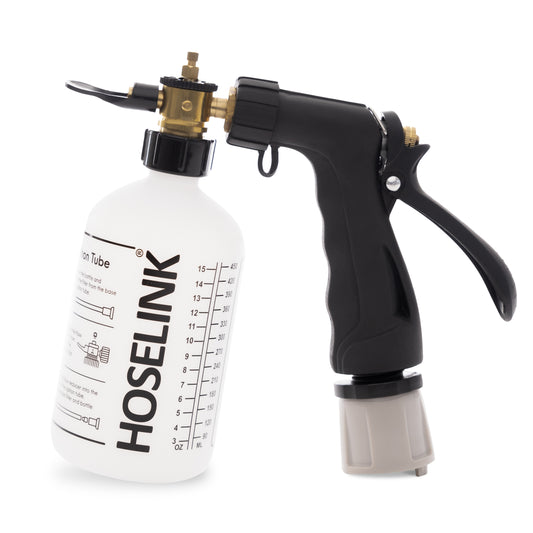
For more even application, consider using a Hoselink Fertilizer Sprayer connected to your Hoselink Hose Reel. It helps dilute and distribute liquid fertilizer evenly across your lawn, reducing the risk of overapplication and patchy growth.


Overseed Thin or Bare Areas
Bare or thinning patches are common after winter, especially in high-traffic or poorly drained areas. Leaving them untreated can invite weeds and lead to uneven turf.
For best results:
-
Loosen soil so seeds make good contact
-
Apply seed at the recommended rate
-
Lightly rake seed into the soil
-
Press down gently and water thoroughly
Consistent moisture during the first few weeks is critical for successful germination. Whenever possible, choose seed that matches your existing grass type.

Remove Weeds Early
Whether we like it or not, weeds are destined to grow in our gardens. They compete with plants and grass for nutrients, and they can spread very quickly, often infesting the entire area.
Weeds can pop up for many reasons; they may not have been removed properly before, seeds from surrounding bushland may have been carried into your property, or simply because the grass on your lawn is not dense enough
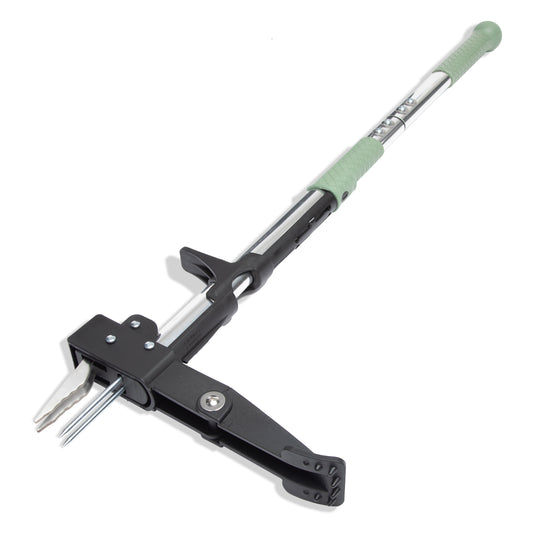
To solve this problem, they must be removed! Hoselink’s handy Stand-Up Weed Puller is a fantastic tool that removes weeds at the root while saving you from bending or kneeling to hand weed. Your back will thank you!

Ease Back Into Mowing
Although your lawn may have grown a little throughout the winter depending on your location, they generally need time to ease into spring. Avoid mowing your lawn on a low setting with temperatures rising, as short lawns can reveal the root system and create stressful situation for the grass. Webb recommends doing a light mow in early spring just to take off the ends of the blades. “This will ease your lawn back into the growing season and will help keep it looking green and full of life!”.