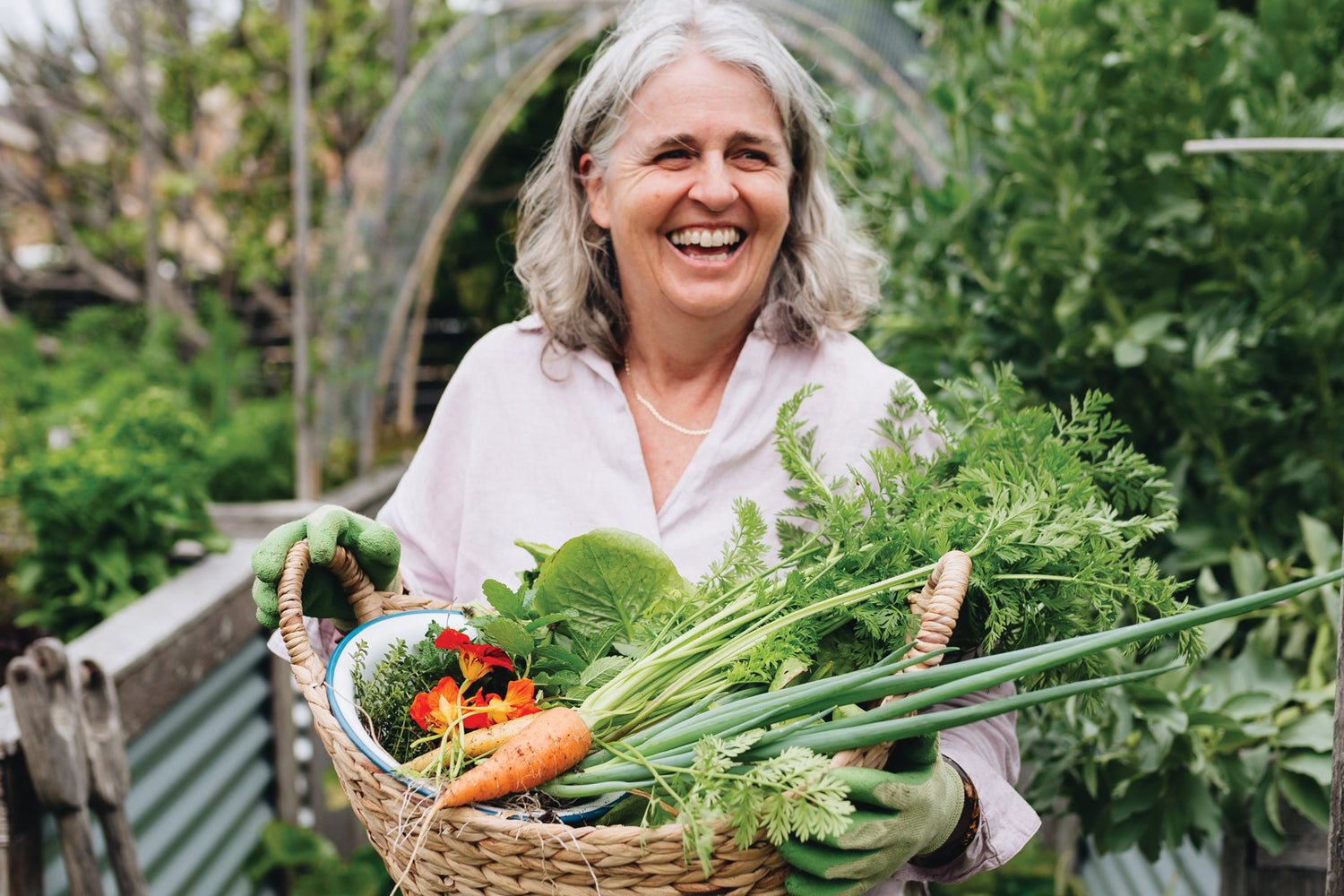

Spring is one of the best times to start a herb garden. The soil is warming up, the days are getting longer, and honestly, fresh herbs from your own backyard just taste better than anything from the grocery store.
Whether you have a sprawling veggie patch or a sunny windowsill, a herb garden fits.
Here's everything you need to get started.

Can You Grow Herbs at Home?
Yes, herbs are one of the most beginner-friendly things you can grow. Most varieties need only three things: at least 6–8 hours of sunlight per day, well-draining soil, and regular watering. Get those right, and you're most of the way there.
You can grow herbs directly in garden beds, in individual pots, or in purpose-built planter boxes. They'll thrive indoors or out, as long as they're getting enough light. If you're growing inside, a south-facing window is usually your best bet.
Which Herbs Are Easiest to Grow?
For first-timers, start with herbs that are forgiving and versatile in the kitchen:
- Basil: loves heat, grows fast, perfect for summer
- Chives: almost impossible to kill, great in everything
- Mint: vigorous grower (keep it in a pot so it doesn't take over)
- Rosemary: drought-tolerant once established, wonderfully fragrant
- Parsley: slow to germinate but steady once it's going
- Oregano: low-maintenance, excellent for Italian cooking
- Cilantro: bolts in heat, so sow it in spring or fall
- Dill: tall and feathery, pairs beautifully with fish and potato dishes
Start with two or three herbs you actually cook with. There's no point growing fennel if it's going to sit unused.
For a full breakdown of which herbs grow best in your region and climate, The Old Farmer's Almanac herb growing guide is an excellent reference. It covers planting dates by zip code, which takes the guesswork out of timing.

Starting From Seed vs. Buying Plants
Both work. The difference is time and cost.
Seeds are cheap and satisfying. There's something genuinely rewarding about watching a tiny seedling push through the soil. Basil, dill, cilantro, and chives all germinate reliably from seed in spring.
Established plants from a nursery give you a head start, which matters if you're keen to start cooking with your herbs quickly. Rosemary and mint, in particular, are worth buying as established plants, they take a long time from seed and the nursery ones are usually robust.
Whichever route you take, label your seedlings as you plant them. It sounds fussy but you'll thank yourself in six weeks when everything looks green and similar.
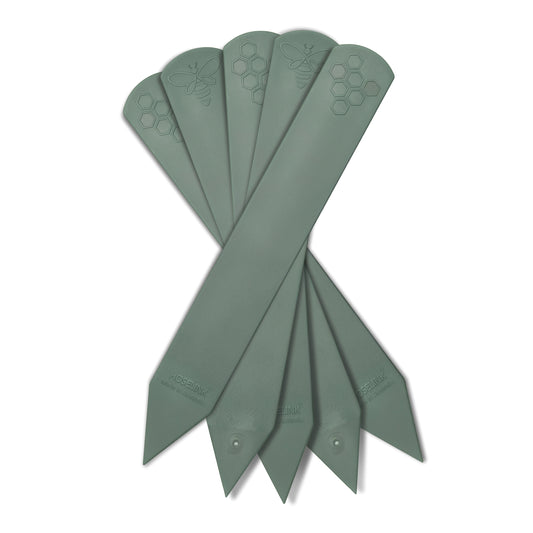
Hoselink has two great options depending on your style. The Recycled Plastic Plant Labels are made in Australia from recycled plastic, come in a sage green finish, and are durable enough to handle all weather conditions.
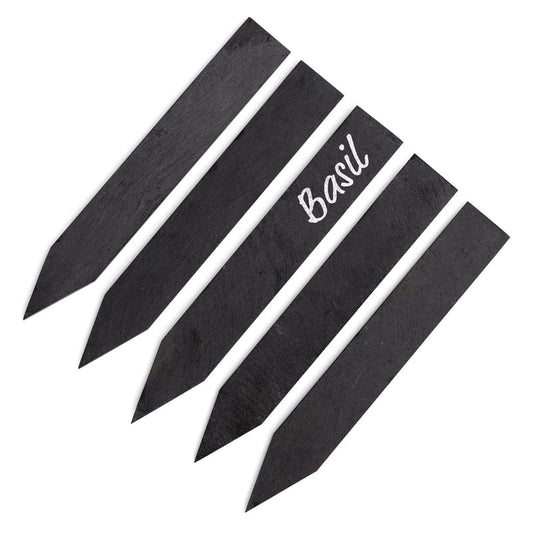
If you want something with a bit more character, the Slate Plant Labels are made from premium natural slate stone with individually cut edges - they give any herb garden a beautiful, rustic look.
Both are reusable season after season, and the slate labels pair perfectly with Hoselink's Silver Marker Pen for writing that won't wash away in the rain.

How to Set Up Your Herb Garden
Choosing Your Container or Bed
Individual terracotta pots, wooden planter boxes, raised garden beds, or straight into the ground, all are good options. The non-negotiable is drainage. Herbs sitting in waterlogged soil will rot at the roots, so make sure whatever you're planting in has drainage holes and isn't sitting in a saucer that collects water.
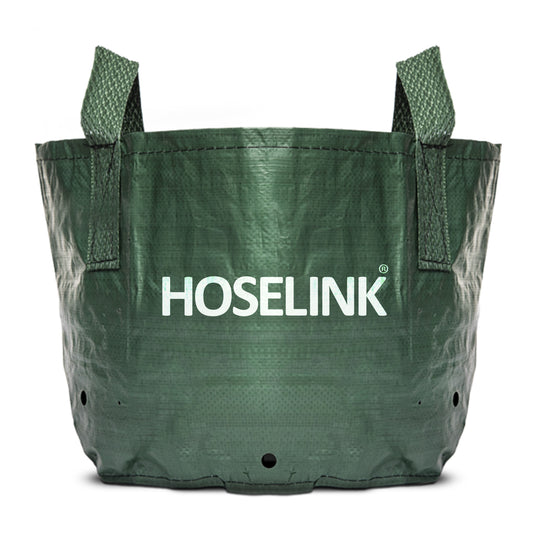
If you want a flexible option that's easy to move around, a Heavy Duty Planter Bag is worth considering. Available in three sizes, they're affordable, drain well, and you can shift them to follow the sun, which is handy when you're still figuring out where your sunniest spot actually is.
Potting Without the Mess
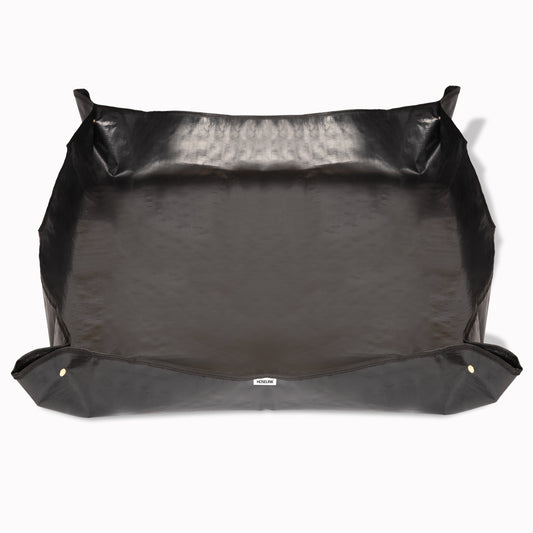
Repotting herbs and transplanting seedlings is satisfying work, but it does make a mess. A Waterproof Potting Mat keeps soil off your patio, deck, or lawn and folds up neatly when you're done. It's a small thing, but it makes the whole process feel a lot less chaotic, especially when you're juggling multiple pots and seedling trays at once.

Soil Matters More Than Most People Think
Don't skip on soil quality. Premium potting mix - not cheap generic garden soil - gives your herbs the drainage and nutrients they need to establish quickly. It's a few extra dollars upfront that will save you a lot of frustration later.
For garden beds, mix in some compost before planting to improve structure and feed the soil.
Sun and Water
Most culinary herbs want full sun: 6–8 hours a day minimum. Partial shade is tolerable for parsley and chives, but basil, rosemary, and oregano will struggle without good light.
Water consistently but don't overdo it. Let the top inch of soil dry out between waterings.
Herbs in pots dry out faster than those in the ground, especially through summer, so check them regularly.
Watering Your Herb Garden
How you water matters as much as how often. Herbs - especially young seedlings - don't love a hard blast of water that flattens stems and compacts soil. A gentle, even spray is always better.
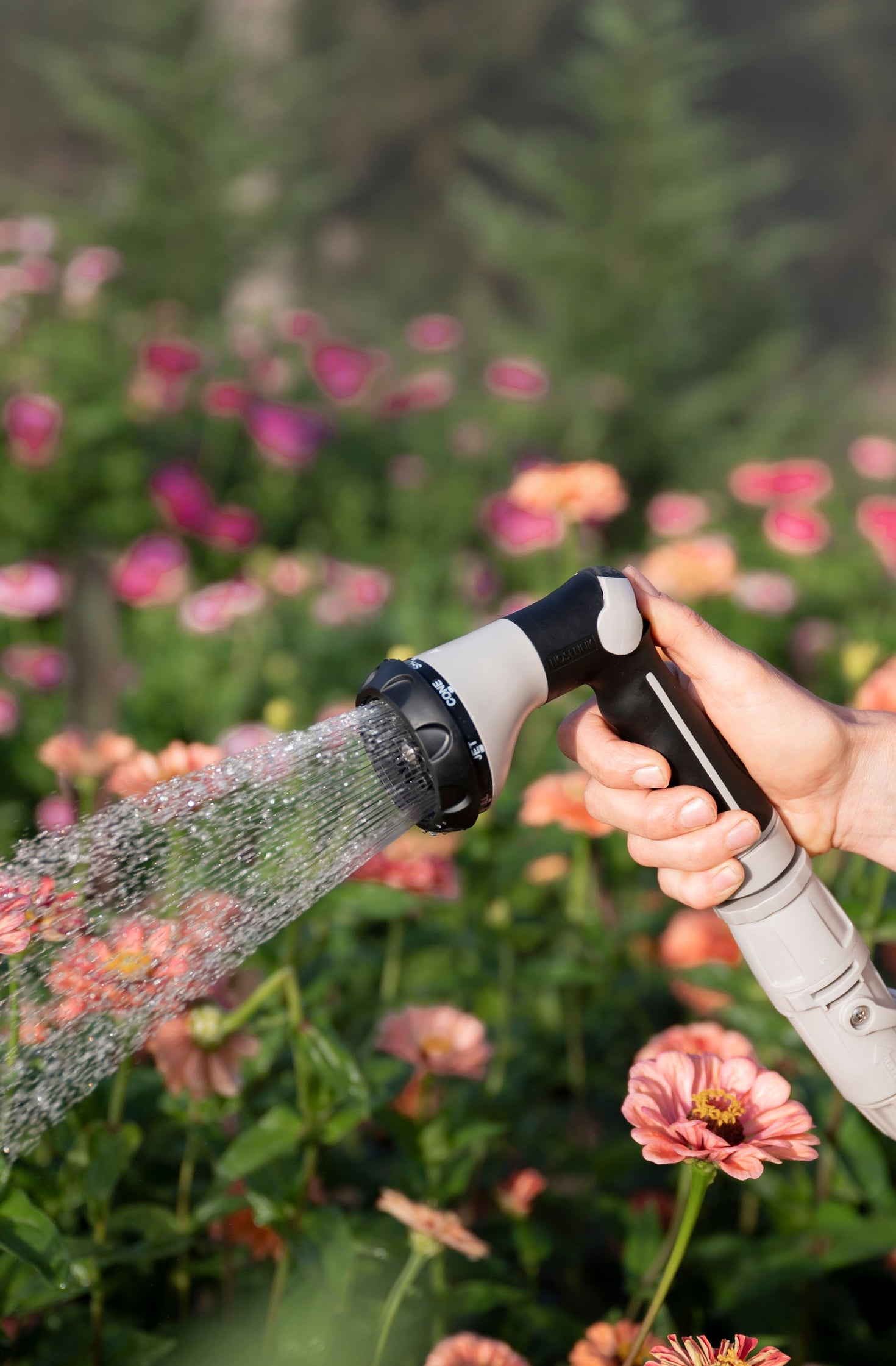
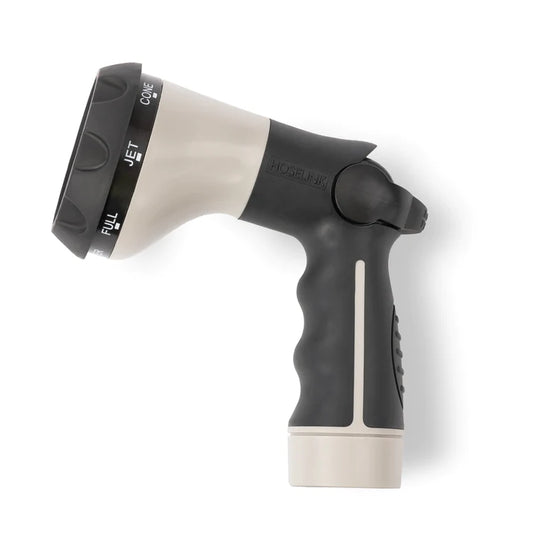
The Comfort 8-Pattern Flow Control Spray Nozzle has a mist and shower setting that's ideal for herbs. It gives you control over both the pattern and the flow, so you can water delicate seedlings without disturbing the soil or knocking over small pots.
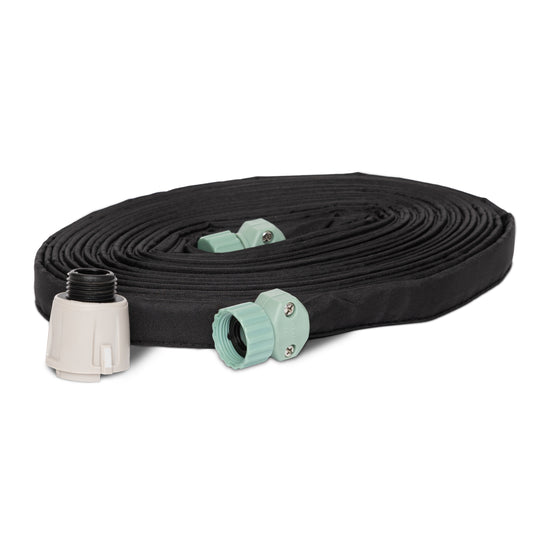
For herbs planted in a raised bed or garden bed, a Weeper Hose is one of the best things you can set up. Lay it along the bed and it slowly delivers water directly to the root zone - no overhead splash, no evaporation waste, no standing at the tap for ten minutes. Run it on a timer and your herbs are watered before you've had your morning coffee.

Maintaining Your Herb Garden
Herbs are genuinely low-maintenance once they're established.
Your regular tasks:
- Harvest often: pinching back leaves and stems encourages bushy, productive growth. Don't let herbs bolt to seed if you want to keep harvesting — especially basil.
- Trim dying stems: remove any yellowing or dead growth as it appears to keep plants healthy and tidy.
- Pull weeds early: weeds compete for water and nutrients. A quick five-minute check every week keeps them from getting away from you.
- Fertilize occasionally: a liquid organic fertilizer every few weeks through the growing season will keep things looking lush, but it's not essential if your soil is good.
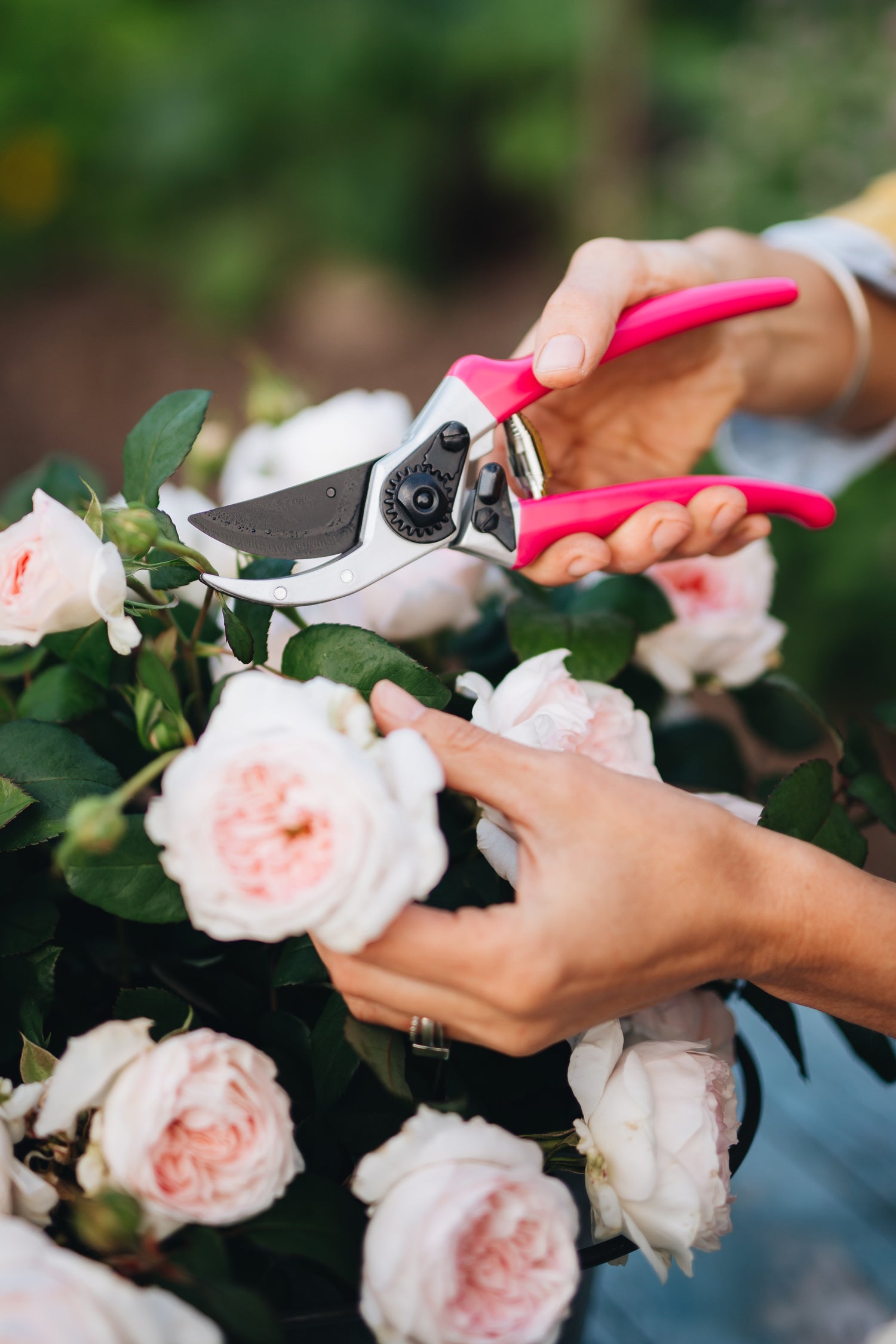
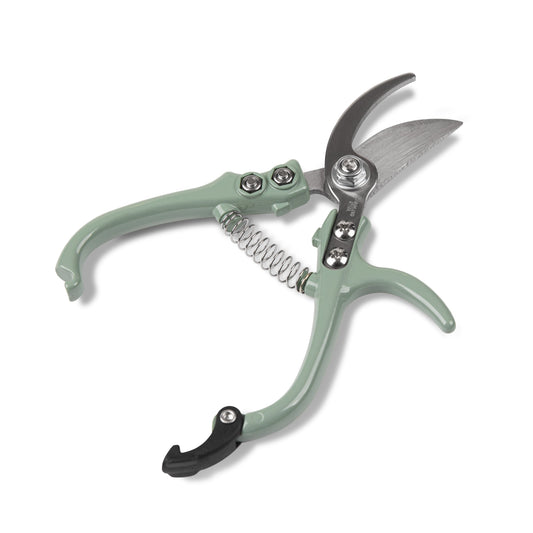
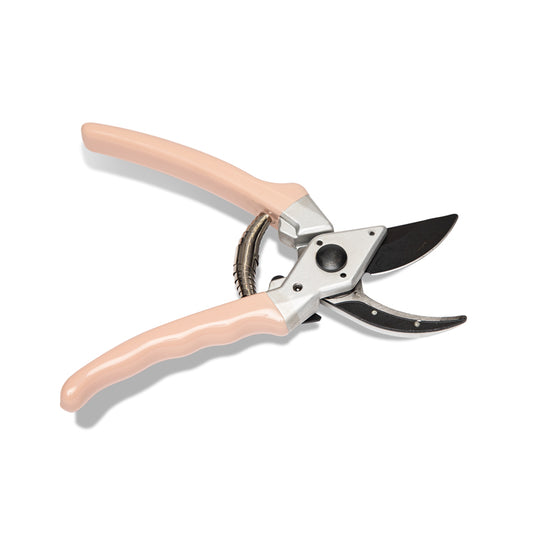
A good pair of snippers makes all of this easier. The Hoselink Handy Snippers are designed exactly for this kind of work: lightweight, sharp stainless steel blades, and an ergonomic grip that's comfortable whether you're left or right-handed.
They're small enough to slip in your pocket before you head out to the garden, which means you'll actually have them on you when you need them. Perfect for snipping herbs straight into the kitchen too.
Pests tend to leave herbs alone, especially the fragrant ones like rosemary, mint, and oregano. If you do notice aphids or whitefly, a gentle spray with diluted neem oil usually does the trick.

What to Do With a Herb Garden Full of Herbs
Cook With Them
Fresh herbs transform everyday cooking. A few ideas to get you started:
- Cilantro marinade: Blend cilantro, chili, lime juice, garlic, brown sugar, and cumin. Use it on chicken (roasted at 425°F for 20–25 minutes) or halloumi. Finish with extra fresh cilantro. It's one of those recipes that tastes far more impressive than the effort involved.
- Basil mojito: Swap mint for fresh basil in a classic mojito. Blend two basil leaves with ¼ cup of sugar, use it to rim the glass, then shake basil, rum, lime juice, and sugar over ice. Unexpectedly good.
- Herbed potato salad: Boil potatoes until tender, then toss with finely chopped parsley, dill, shallot, white wine vinegar, capers, and olive oil. Serve warm. This works as a side dish year-round and travels well to a barbecue.
 Gift Them
A potted herb - especially one you've grown yourself - makes a thoughtful, practical gift. Tuck a small card with a recipe idea inside the pot and it becomes something genuinely special. Fresh herbs also add a nice touch to a table setting: tuck a sprig of rosemary or thyme into a napkin fold for a subtle scent and a bit of greenery.
Preserve Them
If your garden is producing more than you can use fresh, dry herbs by hanging small bunches upside down in a warm, airy spot. Alternatively, freeze chopped herbs in ice cube trays with a little water or olive oil, brilliant for adding to soups and sauces through winter. Gardening Know How has a great library of herb-specific guides if you want to go deeper on preserving or growing any particular variety.
Common Questions About Growing Herbs
How often should I water herbs?
Most herbs prefer to dry out slightly between waterings. Check the top inch of soil — if it's dry, water thoroughly. If it's still damp, leave it another day. Overwatering is the most common mistake with herbs, particularly in pots.
Can herbs grow indoors?
Yes, as long as they get enough light. A south-facing window that gets 6+ hours of sun works well for most varieties. Grow lights are an option if your natural light is limited.
Can I grow herbs year-round?
Some herbs are perennials - rosemary, chives, mint, oregano, and thyme will come back year after year. Others, like basil and cilantro, are annuals. In colder climates, you can extend the season by bringing pots indoors before the first frost. The University of Illinois Extension has a thorough guide to growing herbs across different US climates if you want region-specific advice.
Do herbs need fertilizer?
Not essential, but helpful. A liquid organic fertilizer applied every 3–4 weeks through the growing season encourages strong growth. If your soil is already rich with compost, you may not need to fertilize at all.
A herb garden doesn't need to be complicated. Start with a few varieties you love to cook with, give them sun and decent soil, and harvest them regularly. The rest takes care of itself.