April is kind of a weird month in the garden, if I’m being honest. One day it feels like spring is here and everything’s waking up, and the next you’re side-eyeing the forecast because temps are dropping again, and again. If you garden in US gardening zones 5–7, you know the drill, don’t get too comfortable just yet.
This is the time where the work isn’t exciting, but it’s necessary. You walk outside and immediately see all the little things that need attention. Beds that need cleaning, weeds already trying to take over, leftover debris from last season that somehow didn’t bother you until now. It’s a lot of “ugh, I should deal with that” kind of tasks.
It’s also a good time to just pay attention. See what’s coming back, what’s struggling, and what you might want to do differently this year. Nothing fancy, just being out there and getting things in order before the real busy season hits.

Too late for seeds?
Let’s talk seeds. More specifically, when to start them indoors and when to just chuck them in the soil outside and hope for the best (kidding… sort of).
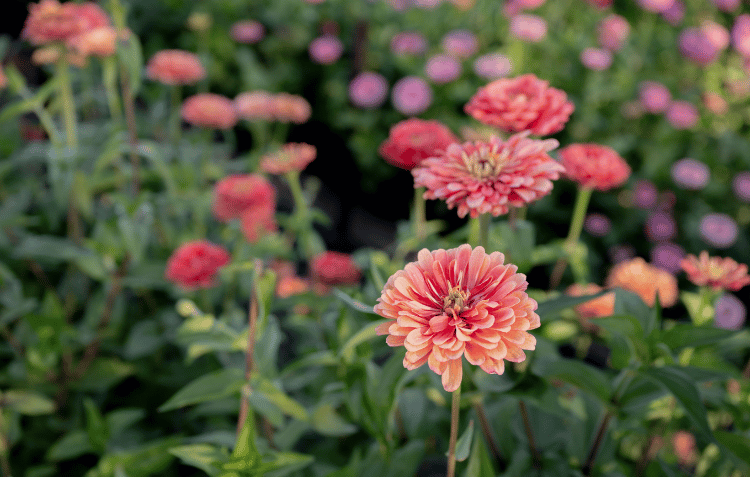
Some plants, especially those that like to bask in the heat, need to be started indoors because our Indiana spring just isn’t warm enough and early enough, for them to get growing on their own. Some great examples are tomatoes, peppers, eggplants, basil, amaranth, cosmos, zinnias, and marigolds. They need about 4 to 6 weeks of growth inside before they’re ready to be planted out after the danger of frost has passed. If you wait and plant these directly into the garden in May, they’ll grow, but they’ll be way behind. You’ll be harvesting tomatoes in September while your neighbors are already done canning sauce.

Here are a few tips to consider when starting indoors:
● Use a seed starting mix or nice quality potting mix that is lighter, drains well, and helps those baby roots grow strong.
● Bottom water your seedlings to avoid damping off (that annoying disease where stems rot at the base and your seedlings fall over like sad spaghetti).
● A sunny window usually isn’t enough—grow lights (Or simple LED lights) make a big difference. Otherwise your seedlings will stretch out just to find more light.
● Keep things warm. Most seeds germinate best around 70-75°F, so a heat mat can help speed things up, especially in chilly basements or garages.
Now, let’s talk about direct sowing and planting seeds straight into your garden once the soil has warmed up. These are usually the fast-growers or root-sensitive types like sunflowers, cucumbers, squash, beans, radishes, and zucchini. They actually prefer not to be disturbed and do best when their roots can grow exactly where the seed lands.
The magic phrase here is: “after the danger of frost has passed,” which in Indiana usually means late April to early May. That’s when the soil warms up and these tougher, fast-growing seeds can hit the ground running.
Seeds that don't want to grow
Sometimes seeds just don’t work out, and not because you messed it up. Seeds are living things, and they don’t always behave predictably. Maybe the seed quality was off. Maybe the humidity stayed too high for too long. Who knows?

This is your reminder that even if you follow every direction to a T, some seeds just won’t cooperate. And that’s not on you. It doesn’t mean you’re bad at gardening. It doesn’t even mean you did anything wrong. It just means you're officially a gardener now, because failure is part of the gig.
This will be my 7th season growing plants from seed and for no specific reason, I struggle with germinating some seeds, even those that were successful for me last year.
The best thing you can do? Shrug it off and try again. Don’t be afraid to reseed a tray, switch to a different variety, or just let go of that one plant this season. Your time and energy are valuable, and not every seed is worth the drama (I am looking at your Lizhianthuis!)
Also, this is why backup seedlings from the garden center exist. No shame in grabbing a six-pack of petunias when yours ghost you.
Getting Raised Beds Ready
Let’s talk about raised beds. More specifically, the ones you’ve been pretending not to see since October. April is when the guilt finally wins out, and you roll up your sleeves to deal with them. Is it fun? Not really. Is it necessary? Absolutely.
- Step one: rip those weeds out. All of them. Even the ones that look kind of pretty or “accidentally edible.” If you let them stay, they’ll just invite their weed friends and take over before you even get your first tomato in the ground. I like to go through with a hand fork and loosen everything down to the roots so I’m not just playing a game of whack-a-mole all season.
- Step two: amend that soil. Raised beds lose nutrients fast, especially if you’re growing a lot of hungry crops (looking at you, tomatoes). I like to mix in some good compost, worm castings if I’m feeling fancy, and maybe a balanced organic fertilizer. This gives your new plants a solid buffet to snack on while they get established.

Then comes the satisfying part: the mulch. Mulch not only makes everything looks nice and tidy, but it helps hold moisture, suppress weeds, and just makes you feel like you’ve got your life together. For the last few years I have been using pine needle straw and I have been loving it so far.
Oh, and don’t forget about your survivors; those herbs that braved the winter like oregano, thyme, and chives. This is a great time to dig them up and relocate them if they’re in the way. They’re usually forgiving and bounce back quickly, especially if you give them a haircut and a drink after the move.
Hardening Off
If you’ve never heard the term “hardening off,” don’t worry, you’re not alone. It sounds like something involving steel or maybe an attitude adjustment, but it’s actually one of the most important things you can do for your seedlings before planting them outside.
Hardening off is the process of gradually introducing your pampered, indoor-grown seedlings to the harsh reality of outdoor life. You know, things like wind, sun and fluctuating temps.
When you start seeds indoors, you’re giving them the plant version of a luxury spa. Constant warmth, filtered light, no wind, and perfectly scheduled watering. Then one day, if you skip hardening off, you toss them outside under full sun and go, “Good luck!” and shocker, they wilt, burn, or die.

Here’s how to harden off your plants the right way:
-
Start slow. Take your seedlings outside for a couple hours a day, in a shady or protected spot.
-
Gradually increase exposure to sun, wind, and time outside over 7–10 days. Each day, give them a little more light and a little more time.
-
Bring them back inside at night, especially if temps drop below 50°F. These babies are still fragile.
-
Watch for signs of stress, drooping, bleaching leaves, crispy edges. If it looks like your plant is having a rough time, dial it back.
Real talk: skipping this step is one of the most common reasons seedlings fail after transplanting. They don’t have the resilience built up yet. It’s like going from couch potato to marathon runner overnight, not a great plan.
So yes, it takes a little effort, a little planning, and a lot of carrying trays in and out . But it’s 100% worth it. Your plants will be tougher, healthier, and way more likely to thrive once they hit the garden.
April in the garden can feel like a sprint and a slow dance all at once. Some days you’re riding high, trays full of happy seedlings, raised beds looking fresh, sunshine on your face. And other days? It’s overwhelming. The weeds won’t stop, the weather won’t cooperate, and that one tray of petunias just won’t grow no matter what you do.
If you’re new to gardening, know this: it doesn’t have to be perfect to be worth it. Every little bit you do, whether it’s starting a few seeds, clearing out one raised bed, or just learning a new word like “hardening off” adds up. Plants are forgiving. So is the process.
Give yourself the space to learn as you go. You’ll have wins, you’ll have weird failures, and you’ll definitely have surprises. And that’s kind of the beauty of it. April is the beginning of the season, not the final exam. Let it be messy. Let it be joyful.
This blog was written by Roxana Snedeker, if you'd like to find her on socials, you can find her as @soilandmargaritas.