If the idea of perfectly spaced rows, strict planting schedules, and detailed garden plans feels overwhelming, chaos gardening might be exactly what you need.
But don’t let the name fool you—chaos gardening isn’t about neglect. When done right, it can be one of the most efficient, productive, and beautiful ways to grow a garden.
In this guide, we’ll walk through everything you need to know about chaos gardening, including how to start, what to plant, how to care for it, and the best tools to make it easy.
What Is Chaos Gardening?
Chaos gardening is a planting method where seeds are scattered or loosely planted together rather than arranged in neat rows or precise spacing.
Instead of focusing on perfection, the goal is to create a thriving ecosystem where plants grow together in a more natural way. This often results in a lush, full garden that looks effortless but is actually working efficiently beneath the surface.
Chaos gardening is commonly used for:
- Wildflower gardens
- Pollinator gardens
- Mixed vegetable beds
- Small space gardening setups

Why Try Chaos Gardening?
1. It’s Beginner-Friendly
One of the biggest benefits of chaos gardening is how approachable it is. You don’t need to worry about exact spacing or complicated layouts, making it perfect for new gardeners.
2. It Maximizes Small Spaces
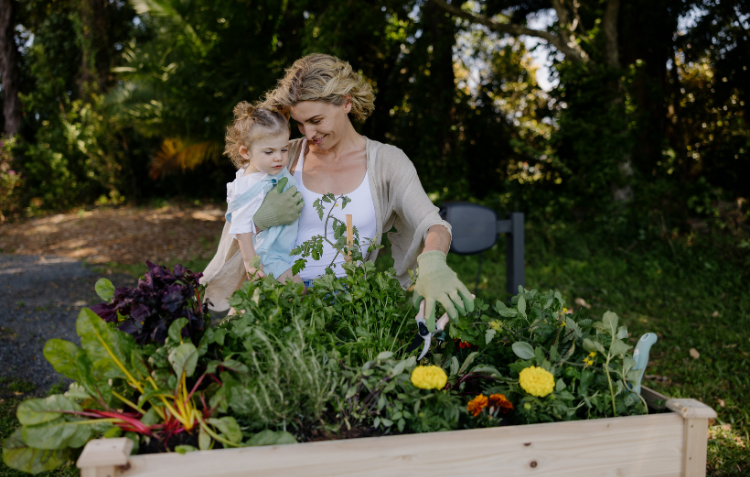
If you’re working with a raised bed or a compact backyard, chaos gardening helps you grow more in less space by layering plants and minimizing unused soil.
3. It Supports Pollinators and Biodiversity
A diverse mix of plants attracts beneficial insects like bees, butterflies, and ladybugs. These natural helpers improve pollination and can reduce pest problems.
4. It Reduces Weeds
Dense planting shades the soil, making it harder for weeds to take hold.
5. It Looks Naturally Beautiful
Chaos gardens often have that soft, full, cottage-style aesthetic that feels relaxed and organic—without needing constant upkeep.
Can You Grow Food in a Chaos Garden?
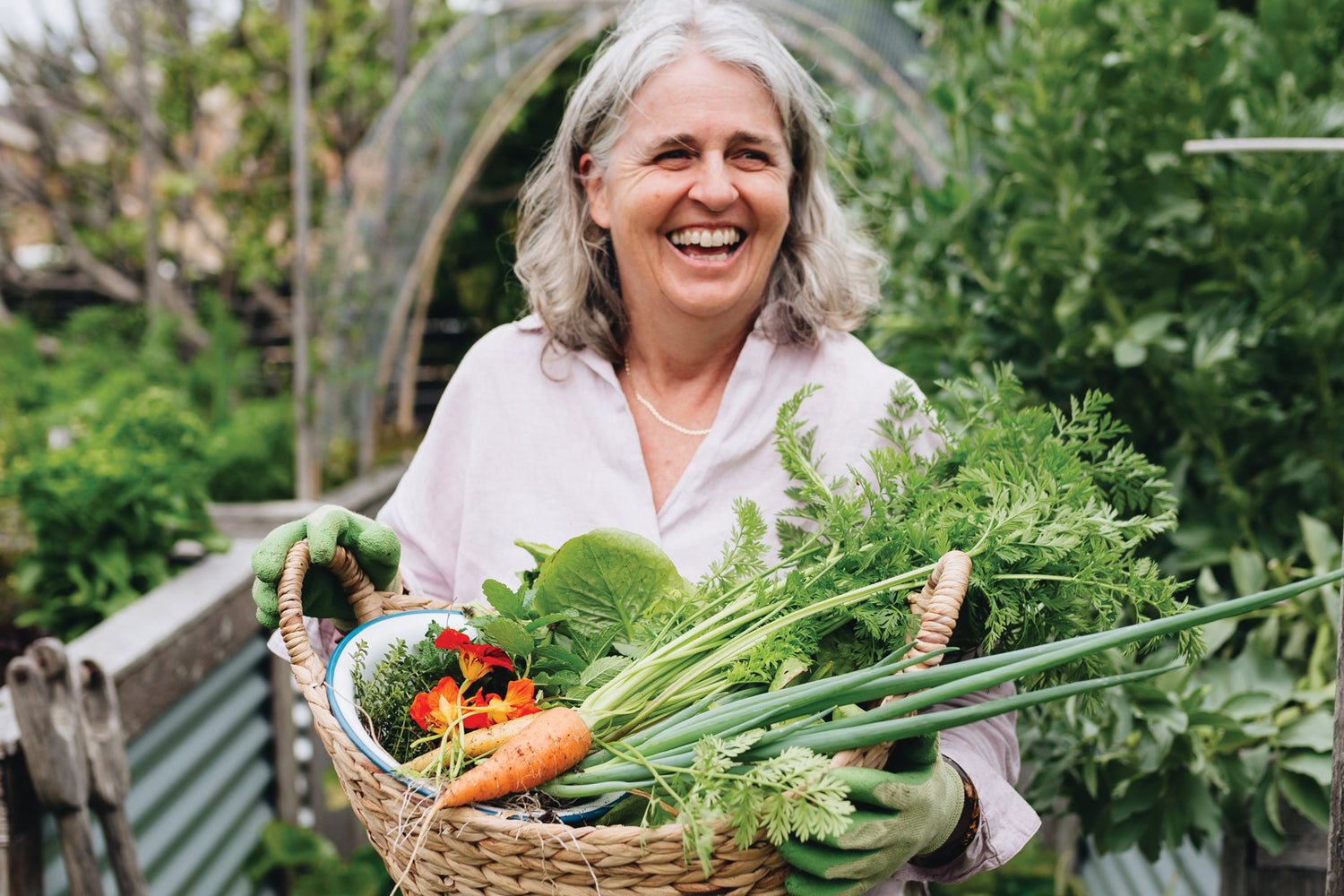
Yes, chaos gardening works incredibly well for edible crops, not just flowers. In fact, many gardeners use this method to create productive, small-space gardens that provide a steady harvest throughout the season.
Great crops for chaos gardening include:
- Leafy greens (lettuce, spinach, arugula)
- Herbs (basil, cilantro, dill, parsley)
- Root crops (radishes, beets)
- Green onions
- Bush beans
You can also include one larger focal plant—like a tomato or pepper—and surround it with smaller, faster-growing crops. The key is choosing plants with similar sunlight and watering needs.

Things to Consider Before You Start
Chaos gardening is flexible and forgiving, but a little intentional planning will make the difference between a thriving, abundant space and a crowded, underperforming one. Think of it as “guided chaos”—you’re letting nature lead but setting it up for success first.
Sunlight
Group plants with similar light requirements. Most vegetables and flowers used in chaos gardening thrive in full sun (6–8 hours per day).
Mature Plant Size
Even in a mixed garden, large plants can crowd out smaller ones. Limit oversized crops like squash or pumpkins, especially in raised beds.
Growth Speed
Combine fast-growing crops (like radishes and greens) with slower ones (like tomatoes). This allows you to harvest early while giving larger plants time to develop.
Companion Planting
Certain plants grow better together.
For example:
- Tomatoes + basil
- Flowers + vegetables
- Herbs + greens
These combinations can improve growth and help deter pests. To learn more about companion planting check out our blog here.
How to Start a Chaos Garden
Step 1: Prepare Your Soil
Healthy soil is the foundation of a successful chaos garden. Because you’ll be planting densely, your soil needs to support a lot of root systems at once.
Start by:
- Removing any existing weeds (including roots)
- Loosening the top 6–8 inches of soil
- Breaking up large clumps so seeds can make good contact with the soil
Then enrich it with organic matter like:
- Compost
- A high-quality raised bed mix
- Worm castings (optional boost)
Pro tip: Well-draining soil is key. If water pools on the surface, mix in compost or aeration materials to improve drainage before planting.
Step 2: Choose Your Seeds
The magic of chaos gardening comes from diversity—but your seed choices still need to be intentional.
Choose a mix of:
- Edibles: lettuce, arugula, radishes, herbs
- Flowers: marigolds, nasturtiums, calendula
- Anchor plants (optional): tomatoes or peppers (planted separately, not scattered)
Make sure everything you choose shares similar:
- Sunlight needs (ideally full sun)
- Water requirements
Balance is key:
Aim for a mix of fast, medium, and slow growers so your garden produces continuously—not all at once.

Step 3: Mix Your Seeds
Once you’ve selected your seeds, combine them in a bowl to create your “chaos mix.”
To improve distribution:
- Add a handful of sand soil
- Stir gently to evenly disperse small seeds
This step helps prevent:
- Clumping (too many seeds in one spot)
- Bare patches (not enough seeds elsewhere)
Optional: Keep very large seeds (like beans or peas) separate and plant them individually after scattering your mix.
Step 4: Scatter and Cover
Now for the fun part—planting.
- Gently scatter your seed mix evenly across the surface
- Avoid dumping it all in one area—think light, even coverage
Once scattered:
- Lightly press seeds into the soil using your hands or a board
- Or cover with a very thin layer of soil (about 1/8–1/4 inch, depending on seed size)
Important:
Planting too deep is one of the most common mistakes. Most small seeds need light to germinate and should stay close to the surface.
Step 5: Water Gently
Use a soft spray wand to keep seeds in place while ensuring the soil stays evenly moist.
Your goal is to:
- Keep the soil consistently moist (not soaked)
- Avoid washing seeds away or causing them to clump
Best practice:
Water lightly once or twice a day until seeds germinate, depending on weather conditions.

How to Care for a Chaos Garden
Consistent Watering
Dense plantings require steady moisture. Water deeply and regularly, especially during dry periods.
Thinning When Needed
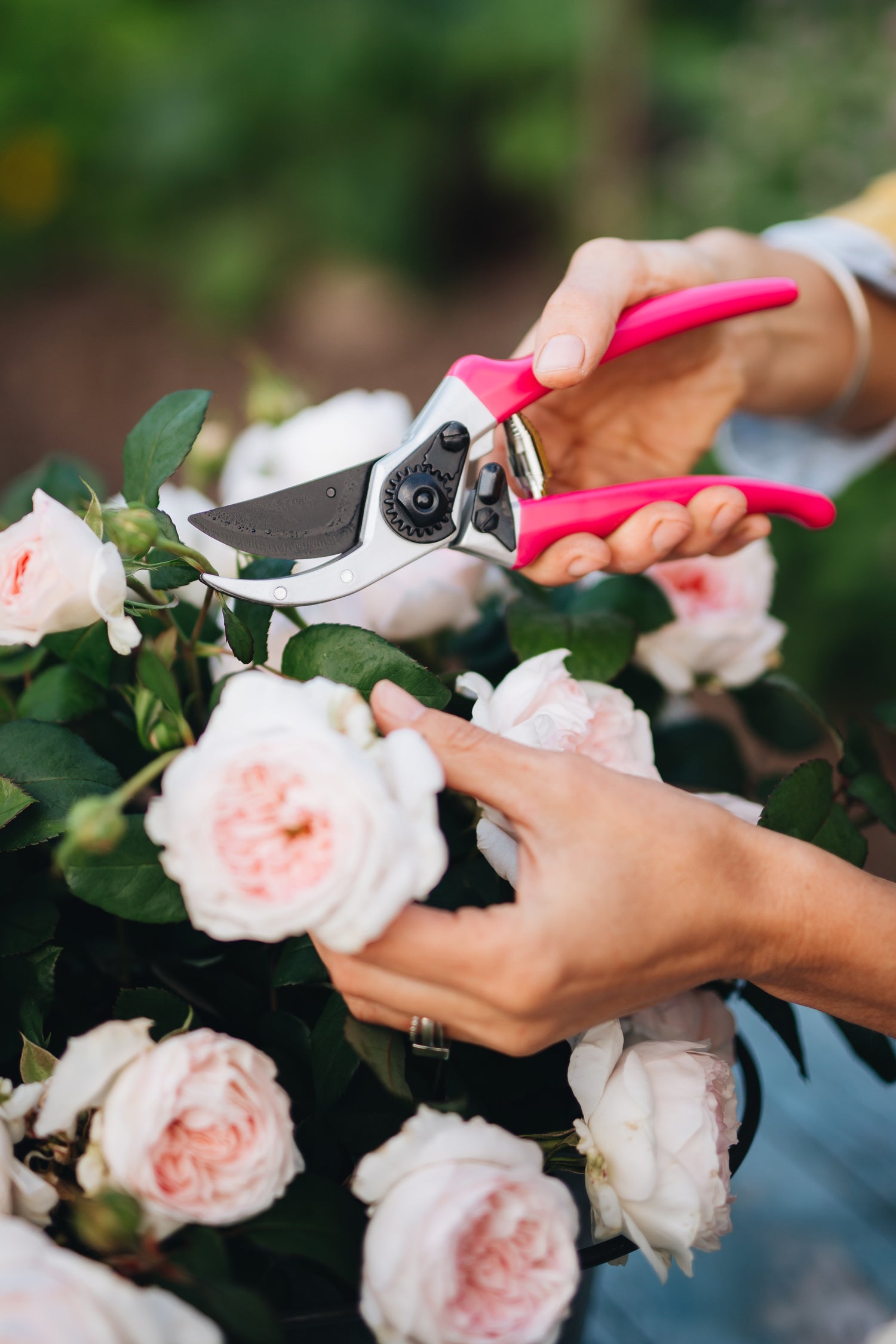
Even in a chaos garden, overcrowding can happen. Remove weaker seedlings to give stronger plants room to grow. To make this easier, be sure to have clean, sharp snippers.
Harvest Frequently
Harvesting encourages continued growth and prevents plants from competing too heavily for space.
Let Nature Do Its Thing
Part of the beauty of chaos gardening is allowing plants to grow naturally. You may be surprised by how well they balance themselves.

Is Chaos Gardening Right for You?
Chaos gardening is a great fit for anyone looking for a low-maintenance approach that still delivers beautiful, productive results. It’s especially appealing if you prefer a natural, relaxed aesthetic over perfectly manicured rows, are working with a small space and want to maximize what you can grow, or simply enjoy experimenting and learning as you go. Because it embraces flexibility, it takes a lot of the pressure out of gardening and allows you to adapt as your plants develop. That said, it may not be the best approach if you prefer highly structured layouts, want perfectly uniform crops, or like having strict control over exactly where each plant grows.
Final Thoughts on Chaos Gardening
Chaos gardening isn’t about being careless—it’s about embracing a more natural, intuitive way of growing.
By mixing plants, maximizing space, and allowing your garden to develop organically, you can create a space that is not only productive but also full of life and character.
Whether you’re working with a small raised bed or a larger backyard, chaos gardening offers a flexible, rewarding way to grow both flowers and food—without the pressure of perfection.