The holidays are right around the corner, Thanksgiving day menus are being planned, lights are going up, pies are baking, and I’m already pretending I don’t hear “Jingle Bells” in every store I visit here in the US. But before I completely switch to holiday mode madness, there’s still a little work to do outside. The gardens are completely dormant in some areas while they might be slowing down in others, but it’s not quite done asking for attention. (I always tell myself I’ll “just do a few things” and somehow end up out there for hours with cold coffee and dirty hands.)
November is a mix of finishing up the old and dreaming for next season. The to-do list might be shorter, but there’s still plenty to do and not all of it requires braving the cold. You can organize, plan, and dream a little for next season right from the warmth of your kitchen table. (That’s usually where I make my seed wishlist… with a cup of tea and zero self-control.)
If you’re not sure what’s left to tackle, here’s a quick list of November garden chores that help you wrap up the season and set yourself up for a smoother spring.

November Garden Chores
Check your seed inventory for next year
Go through what you already have before hitting “add to cart.” I always find at least three half-used zinnia packets and wonder what I was thinking. It’s a great time to make a list of what you loved, what didn’t work, and what new varieties you want to try next season.
If you have friends or neighbors who love gardening too, you can start a “trading seeds” day to share and gift extra seeds.
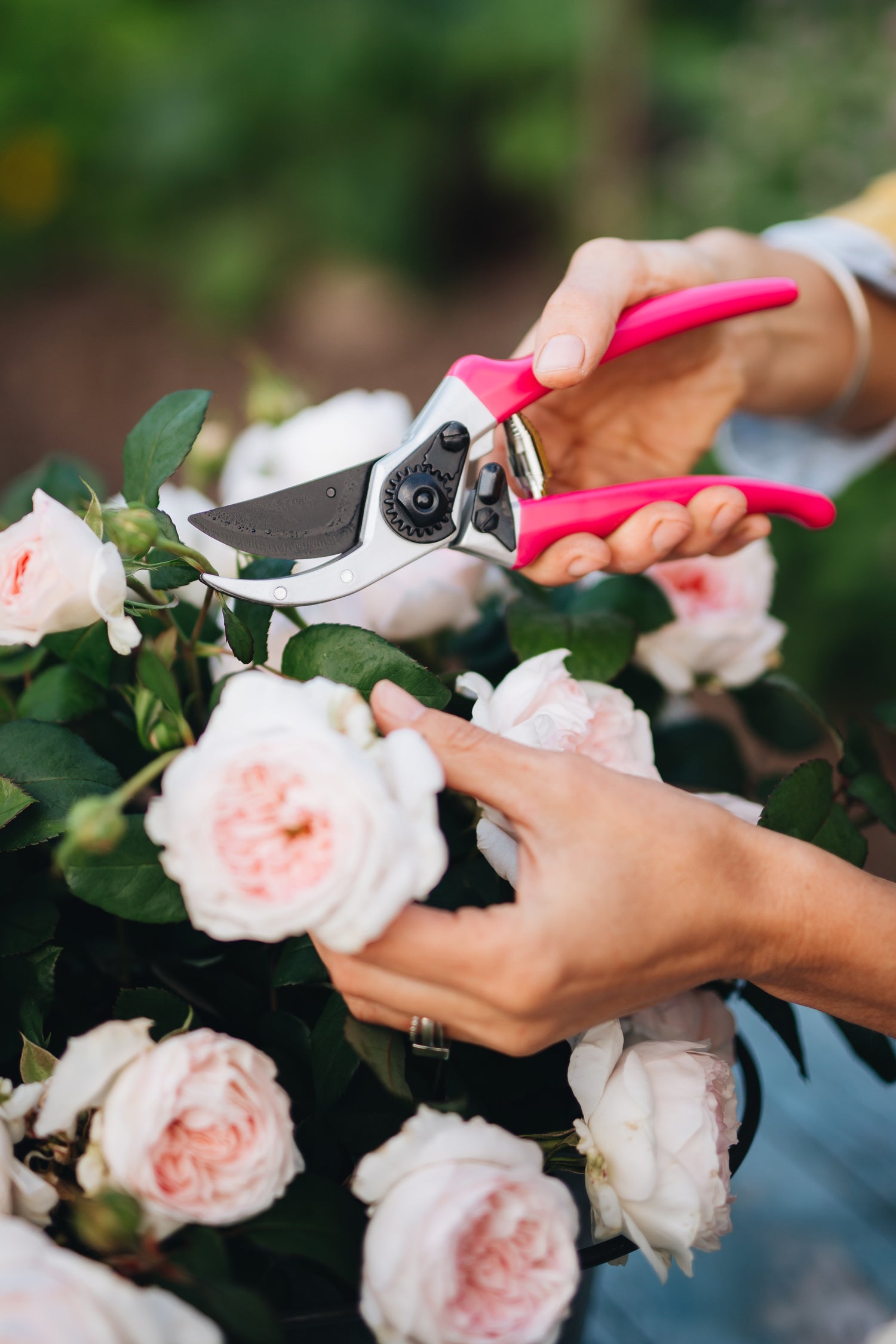
Discard old tools and make a wishlist
If something broke, rusted, or simply made you grumpy every time you used it, it’s time to say goodbye. (Looking at you, shovel with the wobbly handle.) Make a wishlist of replacements or upgrades while it’s fresh in your mind.
Clean your seed-starting containers
This one feels small but makes such a difference later. Gather all your trays, pots, and cell packs, rinse them well, and scrub off any dirt or old roots. Use a mild soap and water or a mix of one part bleach to nine parts water if you want to sanitize. Let them dry completely before stacking them away for next spring.
Check for local gardening events
Seed swaps, workshops, or talks can keep your garden spirit alive even when it’s cold out. (I once went to a winter seed exchange and came home with more varieties than I could ever plant, no regrets!)
Start with your local library or your local garden nurseries, they may have many resources or flyers or workshops happening around town.
Browse your local marketplace for used gardening items.
This time of year, lots of people clean out sheds and sell tools, pots, or supplies they didn’t end up using. You can find some great deals or even replacements for things you tossed. (One of my favorite raised beds came from a yard sale in November!)
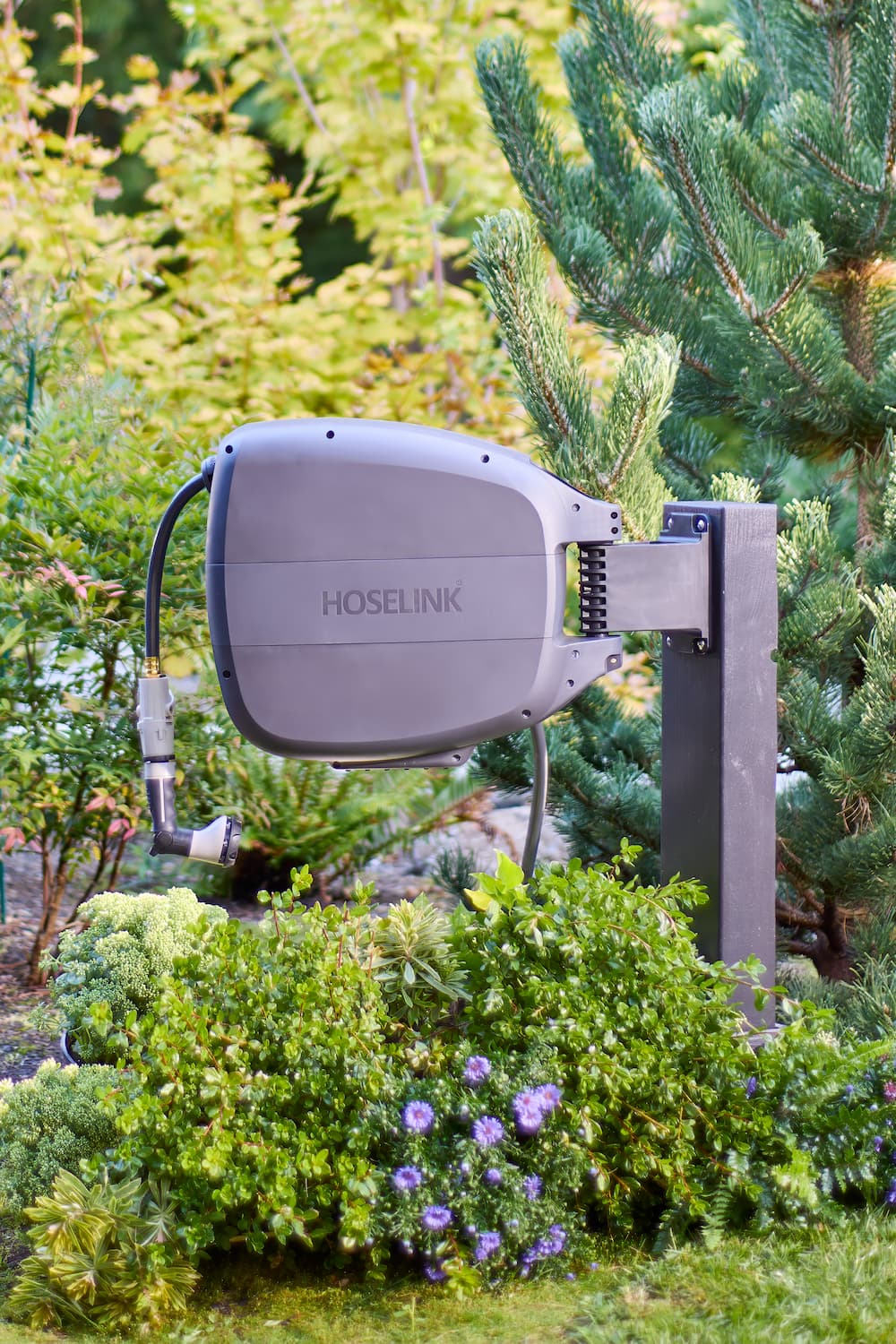
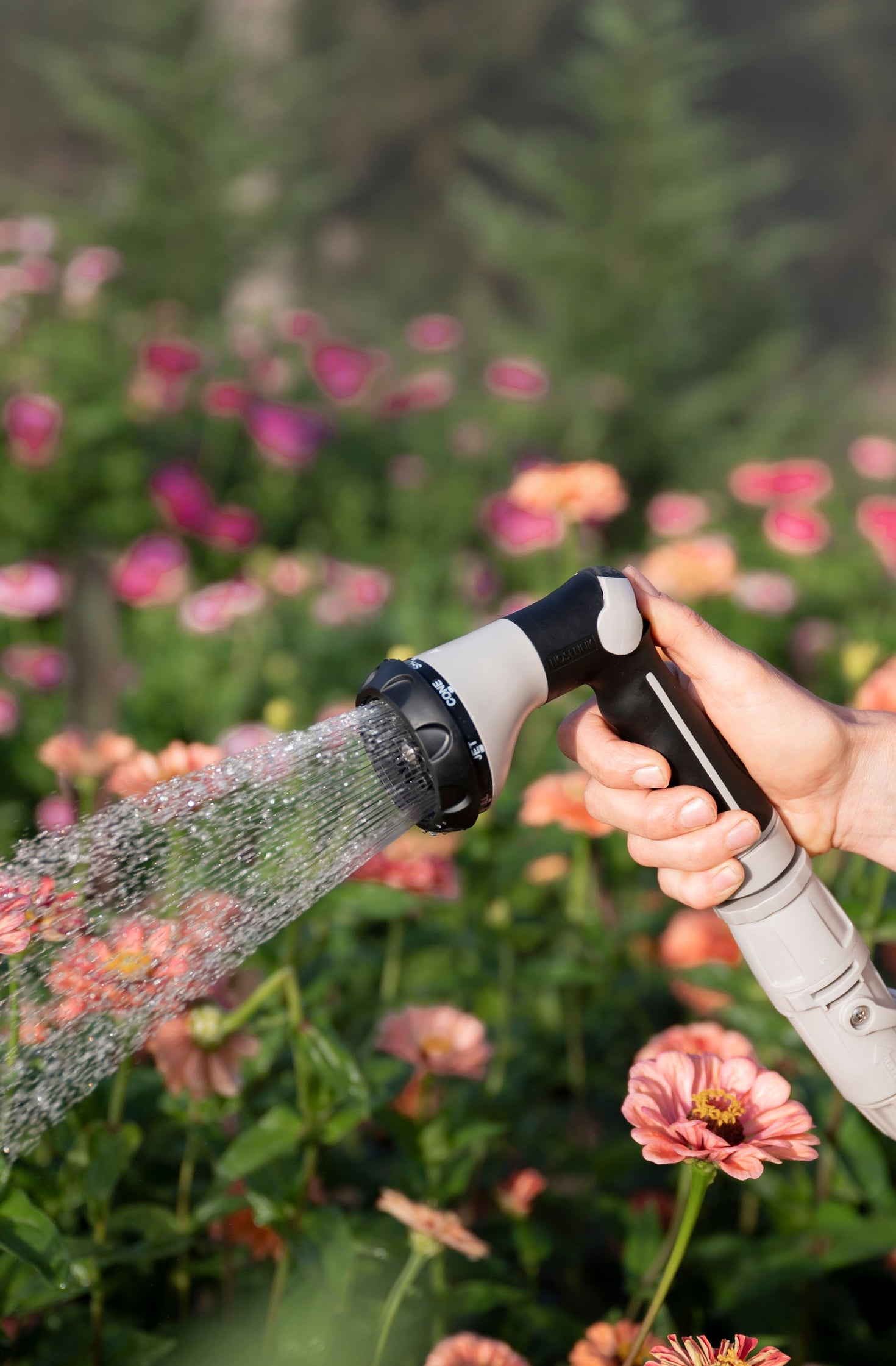
Put Away Hose Reels
Before temperatures drop too low, empty out your hosereels. Water left inside can freeze and crack them (Believe me, you don’t want to risk it).

Here in central Indiana, the weather during the winter months can be a bit unpredictable, in order to keep my hosereels working great season after season, I put them away in my garage until early the following year, but I check the forecast constantly during this month to make sure I have plenty of time to get the hosereels under protection.
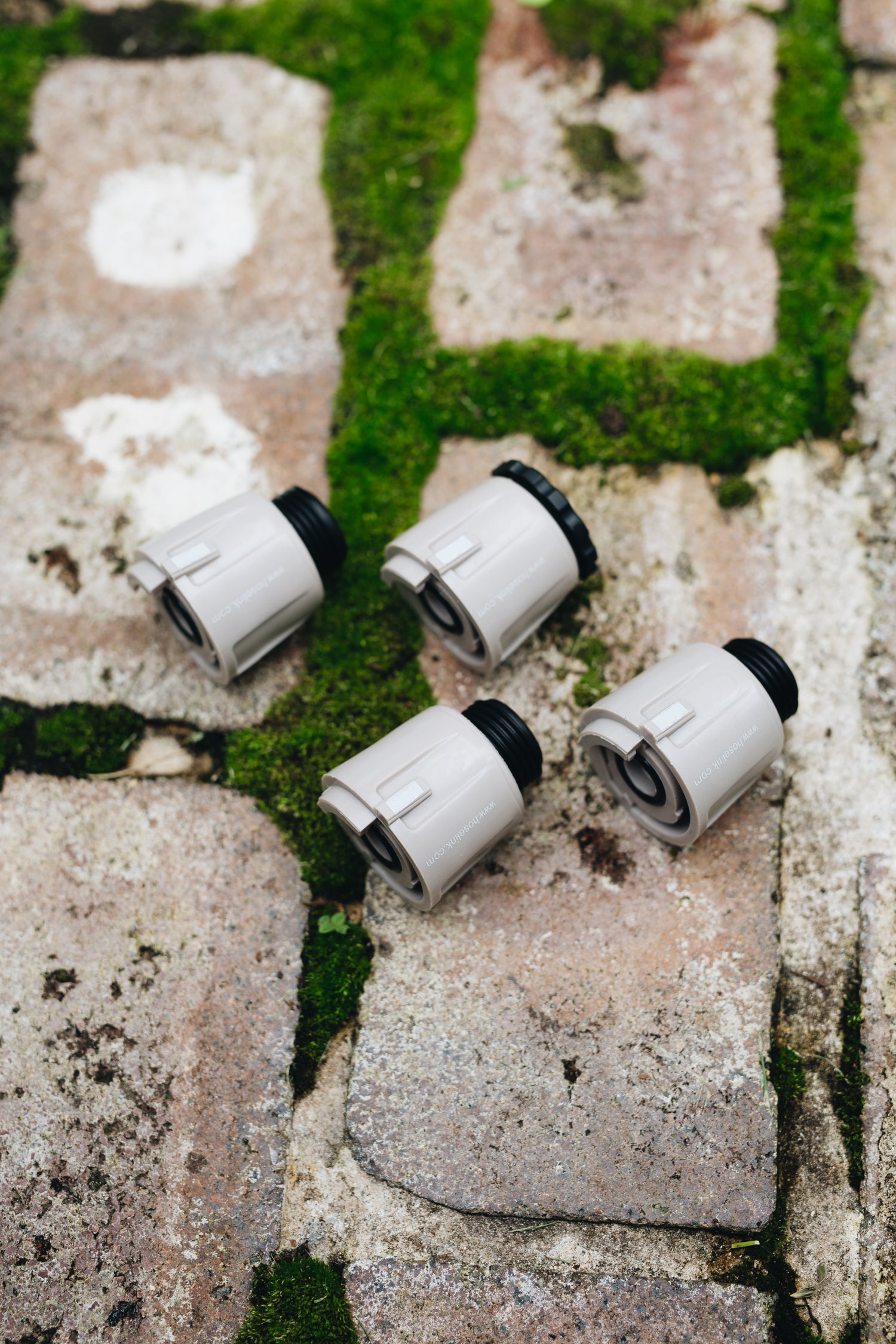
- Unhook the hose from the spigot and stretch it out to let all the water drain.
- Give it a quick rinse if it’s muddy.
- Place them under protection, in a garage, shed, or even under a covered porch works fine, if you lack storage outside, using a closet or basement is a good idea as well.
- If you live somewhere mild and it rarely freezes, you can leave them outside, but make sure the nozzles are off and the ends are disconnected.
Planting fall bulbs
This is one of my favorite fall chores because it feels like hiding little treasures for future you. (I always forget where I planted mine, so spring feels like a surprise party.)
If you’re new to bulbs, here are a few of the classics worth starting with:
- Tulips – The stars of spring. They come in just about every color imaginable and bloom in neat, upright cups that look like they were painted on. You can find varieties of tulips that bloom early, mid or late Spring, they don’t always return year after year, but even as a one-time show, they’re worth it.
- Daffodils – Bright, cheerful, and reliable. These yellow or white blooms are the first to say “spring’s here!” and are perfect if you want something that comes back every year without much fuss.
- Alliums – Think tall, whimsical orbs made up of dozens of tiny flowers. They bloom later in spring and add a little structure and drama to your beds (and the bees love them).
Here’s how to plant them:
-
Choose a sunny spot with well-draining soil, bulbs hate sitting in water.
-
Dig holes about two to three times deeper than the bulb’s height (usually around 4–6 inches for tulips and daffodils, a bit deeper for large alliums).
-
Place each bulb pointy side up, that’s where the stem will emerge, but if you are unsure about which side is which, just place them sideways and the bulbs will find their way in the Spring.
-
Cover with soil, press gently, and give them a good drink of water to help them settle in.
- If squirrels or chipmunks are an issue, you can lay a bit of chicken wire over the top until the ground freezes, they’ll move on once they realize there’s no snack under there.
After that, you’re done! Let winter do its thing. When spring rolls around, you’ll be rewarded with color, texture, and a little reminder that all that quiet work in fall was totally worth it.
And just like that, November’s garden work is checked off, or at least mostly checked off (because let’s be honest, something always gets forgotten). There’s a quiet satisfaction in seeing tools cleaned, bulbs tucked in, and seeds organized, knowing you’ve done a little prep that will pay off big next spring.

Even though the garden is resting under fallen leaves and chilly nights, it’s not really gone, it’s just sleeping, dreaming of next year’s colors, blooms, and harvests. And so are we. Take a moment to pat yourself on the back, sip a warm drink, and get excited for the new season waiting just around the corner.
Happy gardening,
Roxana