If you’ve ever had tomato plants flop over, cucumbers sprawl across your pathways, or peas tangle into an unmanageable mess, you’ve already seen why plant supports matter.
Vertical gardening—using trellises, cages, stakes, and other structures—doesn’t just make your garden look more organized. It can dramatically improve plant health, increase yields, and even help prevent pests and disease.
Whether you’re working with a small raised bed or a larger in-ground garden, learning how (and when) to install supports is one of the simplest ways to level up your garden this season.
Let’s walk through everything you need to know.
What Is Vertical Gardening?
Vertical gardening is exactly what it sounds like: growing plants upward instead of letting them spread along the ground.
This is done using structures like:
-
Trellises
-
Tomato cages
-
Stakes
-
Arches
-
Netting or string systems
Instead of plants competing for horizontal space, they grow vertically—making better use of sunlight, airflow, and your overall garden layout.

The Benefits of Using Trellises and Plant Supports
1. Better Airflow = Healthier Plants
When plants are lifted off the ground, air can circulate more freely around the leaves. This helps reduce common issues like:
-
Powdery mildew
-
Fungal diseases
-
Rot from damp soil contact
This is especially important in climates with spring moisture or humidity.
2. Fewer Pests and Cleaner Produce
Crops like cucumbers, squash, and tomatoes are much less likely to rot or get eaten when they’re not sitting on the soil.
Vertical growing:
-
Keeps fruit cleaner
-
Makes it harder for pests like slugs to reach them
-
Makes problems easier to spot early
3. Higher Yields in Less Space
When plants grow up instead of out, you can:
-
Fit more plants into a small area
-
Maximize raised beds
-
Increase production without expanding your garden
This is a huge win if you’re working with limited space.
4. Easier Harvesting
No more digging through leaves to find hidden vegetables.
With vertical supports:
-
Fruit hangs visibly
-
Harvesting is faster
-
You’re less likely to miss overripe produce
5. A More Organized, Beautiful Garden
Let’s be honest—there’s also an aesthetic benefit.
Arches covered in beans, neatly trellised cucumbers, and upright tomatoes create:
-
Structure
-
Height variation
-
A more intentional garden design

Types of Garden Supports (and When to Use Them)
Not all plant supports look the same—and choosing the right one starts with understanding how each type functions in your garden.
Trellises
A trellis is a flat or slightly angled structure that plants can climb up. It’s typically made from wood, metal, or wire and has an open framework (like a grid or lattice) that vines can grab onto as they grow.
You can think of it like a “plant wall” that trains growth upward instead of outward.
Best for:
-
Cucumbers
-
Peas
-
Pole beans
-
Small melons
Common styles:
-
Flat panels placed vertically behind plants
-
A-frame trellises that form a tent shape
-
Wall-mounted grids attached to fences or raised beds
Tip: Use sturdy materials—once these plants start producing, they get heavy fast.
Tomato Cages
Tomato cages are round, freestanding wire structures that surround a plant and support it from all sides. As the plant grows, its stems rest against the cage instead of falling over.
They don’t require much training—the plant basically grows into the cage.
Best for:
-
Determinate tomatoes
-
Peppers
-
Eggplant
Why they work:
They provide 360° support, which is perfect for bushier plants that don’t naturally climb but still need help staying upright.

Arches and Arbors
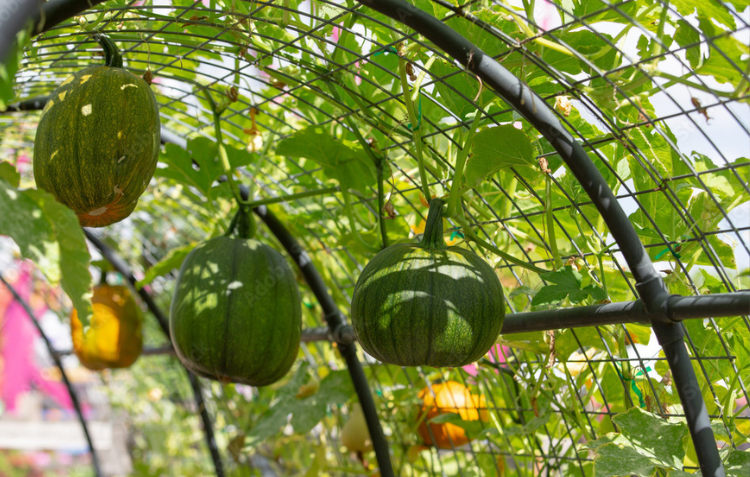
Arches (or arbors) are curved or rectangular structures that create an overhead pathway in your garden. Plants grow up and over them, eventually forming a canopy or “tunnel” of greenery.
They’re both functional and decorative.
Best for:
-
Pole beans
-
Cucumbers
-
Gourds
Why they work:
They give vigorous climbers plenty of space to spread while also creating height and visual interest in your garden.

String Trellis Systems
A string trellis system uses vertical lines of twine or string suspended from an overhead support (like a frame, beam, or greenhouse structure). Plants are trained to grow upward by wrapping or clipping them to the string.
This is commonly used in more intensive or small-space gardens.
Best for:
-
Tomatoes
-
Cucumbers
-
Greenhouse growing
Why they work:
They allow for very controlled, vertical growth and are ideal when you want to maximize space and keep plants highly organized.
When to Install Plant Supports
One of the most common mistakes gardeners make is waiting too long to install plant supports. It’s easy to think you can add a cage or trellis later, once the plant “needs it,” but by that point the roots are already established and the stems have started to sprawl.
Pushing stakes or supports into the soil later in the season can damage those roots, setting the plant back right when it should be putting on strong growth. Installing supports at planting time—or very soon after—gives your plants a clear structure to grow into from the very beginning.
It also makes training plants much easier. Young stems are flexible and naturally reach for support, while older growth is more rigid and prone to snapping. When plants are supported early, they grow upward instead of outward, which keeps them healthier and easier to manage.

How to Install Trellises and Supports (Step-by-Step)
Step 1: Choose the Right Location
Place your support where the plant will grow—not after.
Consider:
-
Sun direction (avoid shading smaller plants)
-
Wind exposure
-
Accessibility for harvesting
Step 2: Secure It Properly
A flimsy support will fail mid-season.
-
Push stakes at least 6–12 inches into the ground
-
Anchor trellises firmly (especially in raised beds)
-
Use zip ties, garden twine, or clips for reinforcement
Step 3: Plant Close to the Base
Plant seedlings or seeds near the support so they can easily reach it as they grow.
Step 4: Train the Plant Early
Don’t wait for the plant to figure it out.
-
Gently guide vines onto the trellis
-
Use soft ties or clips if needed
-
Check every few days during rapid growth
Step 5: Maintain Throughout the Season
Vertical gardening isn’t fully “set it and forget it.”
-
Continue tying or guiding growth
-
Prune when necessary (especially tomatoes)
-
Adjust as plants get heavier
Best Plants for Vertical Gardening
If you’re just getting started, these are some of the easiest and most rewarding:
Vegetables
-
Cucumbers
-
Pole beans
-
Peas
-
Tomatoes (especially indeterminate varieties)
-
Zucchini (yes—if supported early!)
Flowers
-
Sweet peas
-
Nasturtiums (climbing varieties)
-
Morning glories
Fruits
-
Small melons (with strong support)
-
Some squash varieties

Common Mistakes
Using Weak Structures
Plants get surprisingly heavy, especially once they’re full of fruit and holding water after rain or dew. A trellis that feels sturdy early in the season can quickly start leaning or collapsing by mid to late summer.
If your support can’t handle the weight in August, it’s not the right one. Choose strong, weather-resistant materials and anchor them well—it’s much easier to build it right from the start than deal with a collapse later.
Not Training Plants
Even climbing plants need a little guidance at the beginning. Without it, they’ll sprawl along the ground instead of growing vertically, which makes them harder to manage later.
Taking a few minutes to guide vines or tie stems early on helps set the direction of growth. Use reusable plant ties to attach plants on to the support during early stages. Once established, the plant will continue climbing on its own.
Overcrowding
Vertical gardening saves space, but it doesn’t mean you can ignore spacing completely. Plants still need room for airflow, sunlight, and healthy growth.
When plants are too crowded, leaves trap moisture and limit airflow, increasing the risk of pests and disease. Give your plants enough breathing room, even when growing upward.
Ignoring Height
It’s easy to underestimate how tall plants will get, but many climbers keep growing all season long. If your trellis is too short, plants will outgrow it quickly and start spilling over.
Choose supports that match the plant’s full height potential, not just its size at planting time. When in doubt, go taller to keep growth controlled and manageable.
Creative Vertical Gardening Ideas
If you’re ready to go beyond basic stakes and cages, vertical gardening can also become a design feature that adds structure and personality to your space.
Creating a green tunnel with cattle panel arches is one of the most impactful upgrades you can make. By bending a sturdy panel into an arch over a pathway or between two beds, you create a living walkway that can be covered in beans, cucumbers, or even small gourds. As the plants fill in, it becomes both productive and visually stunning—something that makes your garden feel immersive rather than just functional.
For a more relaxed, cottage-style look, try a ladder trellis. These can be repurposed wooden ladders or simple DIY builds leaned against a wall or placed directly in a bed. They’re perfect for lighter climbers like peas or flowers and add height without feeling too structured or formal.
You can also attach trellises to fences or walls to maximize space, especially in smaller gardens. This turns vertical surfaces into growing areas, freeing up valuable ground space while still giving plants the support they need. It’s a great option for urban gardens or compact raised beds.
Finally, don’t be afraid to mix flowers and vegetables on the same supports. Pairing something like climbing nasturtiums or sweet peas with crops like cucumbers or beans adds color, attracts pollinators, and makes your garden feel more intentional and full.
Final Thoughts: Why Vertical Gardening Is Worth It
Adding trellises, cages, and supports to your garden isn’t just about keeping things tidy—it’s about growing smarter and getting more out of the space you already have.
With the right setup, you can grow more in less space, improve airflow and plant health, reduce pests and disease, and make harvesting noticeably easier. As a bonus, vertical elements add structure and height, turning your garden into something that looks just as good as it performs.
If you’re looking for one upgrade that makes an immediate difference, this is it. Start small—add a trellis to your cucumbers or properly stake your tomatoes—and build from there. Once you see how much easier and more productive your garden becomes, it’s hard to go back to letting everything sprawl.