Rain, rain, go away, come again another day.
You probably know the song, and if you grew up anywhere that gets real winter rain, you probably had it playing in your head while pressing your face against a window, waiting for the clouds to break so you could go back outside. But here in Zone 10 Southern California, where my garden is (for those who don't know), our summers are dry as all get out and spring is really the only stretch where the sky opens up with any consistency, which means I've learned to hear that song differently. Rain, rain, please stay, because every drop that falls on my garden in February is one less I have to deliver myself later, and every gray afternoon I spend indoors is time my soil is getting fed for free.
And regardless of where you are in Zone 10, whether that's Southern California, South Florida, or South Texas, this is likely the wettest stretch of your year too. February is doing more for your soil right now than you could accomplish with a hose in twice the time. So instead of lamenting the gray skies, use them. The rain waters the garden, while you water the seedlings. And the quiet work that nobody sees, the behind-the-curtain stuff that determines whether the rest of the gardening year goes smoothly, that happens right here, right now.

Your Fall Garden Is Paying You Back
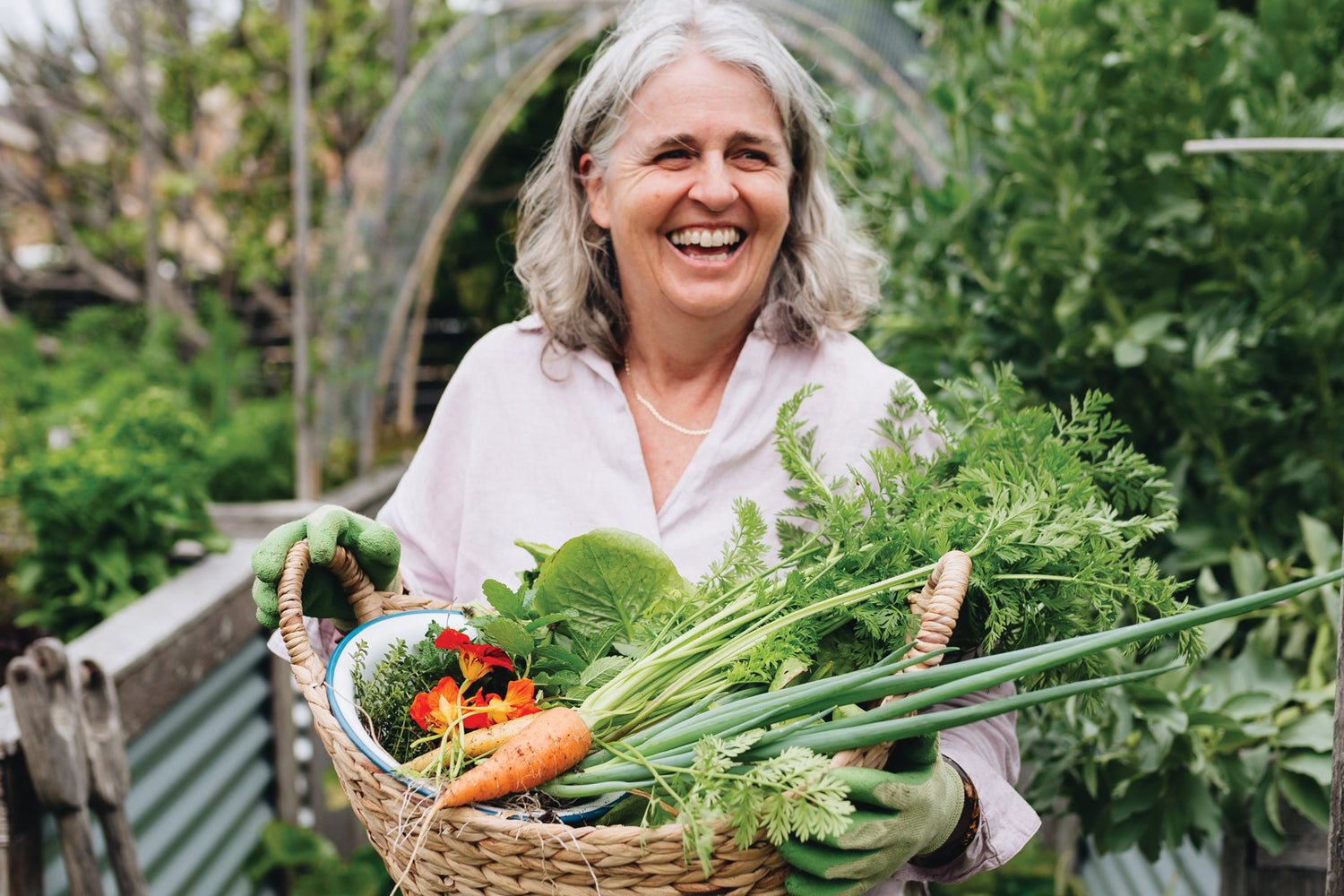
Before we get into what needs doing let's appreciate what's already happening, because if you planted in the fall, your cool-season garden should be at or near its peak right now. Lettuces are lush, kale is thriving, broccoli and cauliflower heads are tightening up, and your radishes and beets are ready to pull. Peas should be climbing and producing, Swiss chard is doing its thing, and if you planted carrots back in October or November, they've had plenty of time to develop into something worth pulling.
Your citrus trees, meanwhile, should be putting on a show. Navel oranges are at peak sweetness, blood oranges are turning that deep crimson inside, Meyer lemons are heavy on the branches, and mandarins are still going strong (though in my small garden it’s just the lemons and limes for me). February and March are the months when citrus trees store the most nutrients in preparation for spring bloom, so feed them now with a balanced organic citrus fertilizer. What you give them this month directly impacts how much fruit you get later.
If you planted garlic this past fall, now is the time it should really be popping through and putting on growth. Give it a light feeding every so often, keep it watered, and let it do its thing. This is actually the first year in probably four years that I haven't grown garlic, just to try something different, but if you did plant it, you should be seeing some satisfying progress right about now.
If January was about ordering seeds and dreaming about varieties, February is about actually germinating them, and if you haven't started your seeds yet, that’s okay, because early February is your window. Peppers & tomatoes need about six to eight weeks of indoor growth before they're ready to transplant, which puts you right on track for mid-to-late March planting. Eggplant and other nightshades should also be started now, ideally on a heat mat. They're slower to germinate, so don't panic if your pepper seeds take two or even three weeks to pop. That's normal, especially for the hotter varieties (my favorites).
If you're planning on growing squash, cucumbers, or melons this summer, you can start those in containers as well, though they grow fast and don't love being rootbound. I'd lean toward starting those closer to the end of February, early March, or even April.
Now, the most tried and true method for all of this is under a strong grow light on a heat mat, and that's absolutely what I'd recommend if you're newer to seed starting. That said, I'll be honest: the past two years I've been a little lazy and have just started my seeds outdoors with a humidity dome on them so I don't have to constantly go into my garage where I keep my setup. It works for me, but I've also figured out the quirks over the years, and it's a lot more unpredictable than a controlled indoor environment. If you want something even simpler, the water jug method is wildly popular right now, and one quick search on TikTok or Instagram will show you a million videos on how to do it well. But for the most reliable results, especially if you're just getting into seed starting, grow lights and a heat mat are the way to go.
Whatever method you choose, consistency matters. Keep the soil moist but not soggy, give your seedlings airflow, and if you're battling damping off (that frustrating condition where seedlings just flop over and die at the soil line), a gentle fan, bottom watering and good drainage go a long way.

Bare-Root Season Is in Full Swing
February is prime time for bare-root planting. Nurseries are stocked, the selection is at its best, and trees planted while dormant can focus all their energy on establishing roots before the demands of true spring growth kick in. By the time summer heat arrives, a tree planted bare-root now will have weeks of root development that a potted tree planted later simply won't.
If you've been thinking about adding a fruit tree, a grapevine, or some berry canes to your garden, this is your month. Stone fruits, figs, pomegranates, citrus, whatever suits your space and your climate, get it in the ground while conditions are ideal.
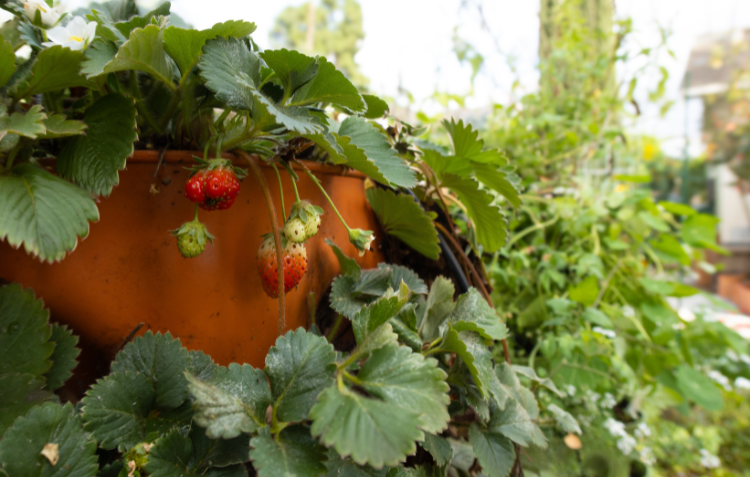
The same goes for a few perennial edibles that are easy to overlook. Strawberry bare-roots planted now will settle in before fruiting season peaks in April and May. I started my gardening journey with only six bareroot strawberries, and I now have hundreds after rooting the runners.
Asparagus crowns go in now too, and while asparagus asks for patience (don't harvest much in the first year or two), it rewards you every spring for a decade or more once established. And artichokes, which I'm planning to plant more of this year. I thankfully still have one plant going, but the squirrels destroyed my four other seedlings, so round two is happening soon.

Prune Now, Thank Yourself Later
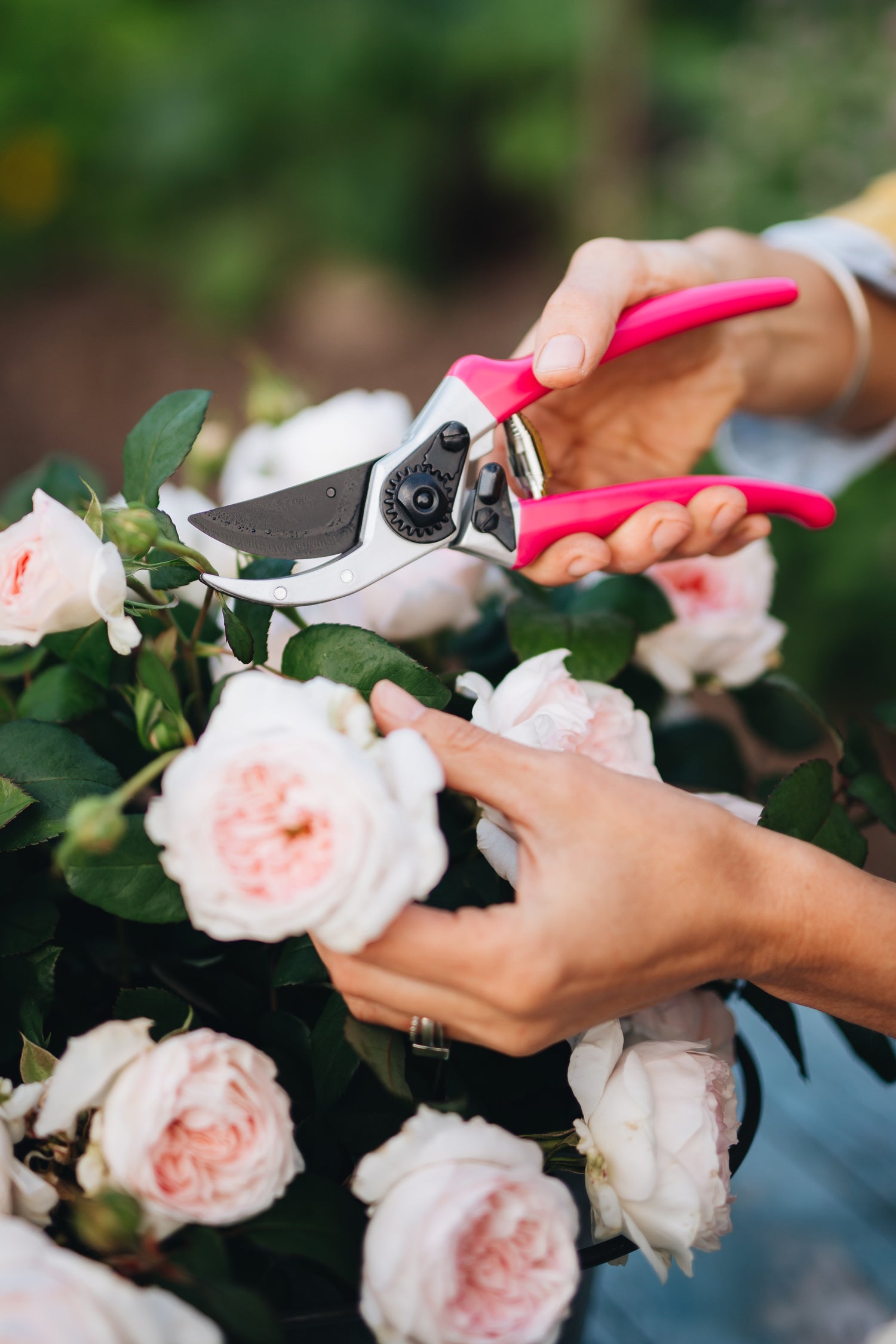
If you have fruit trees, February is the month to get your pruning done. Dormant pruning on stone fruits like peaches, plums, and apricots should be wrapped up before the buds start to swell. Ideally you want to get to them while they're still fully dormant. If buds have already started to show a little bit it's not the end of the world, but you really don't want to wait much longer than that. Once they're actively pushing new growth, you've missed the ideal window.
Grapevines, blueberries, and other berry canes benefit from late-winter pruning as well. And one thing worth doing while you're out there with the pruners: young fruit trees with thin bark are susceptible to sunburn as the days get longer. A quick coat of diluted white latex paint (half paint, half water) on the south- and west-facing sides of the trunk will protect them through the year. It looks a little odd, but your tree will thank you.
And for those of you who grow roses (I don't, but I know many of you do), now is the time to prune them hard, cutting back by about one-third to one-half and opening up the center for airflow. It looks brutal, but roses pruned in February reward you with their first big flush of blooms in about eight to nine weeks.
Plant Anything and Everything That Flowers
It's easy to focus entirely on edibles in February, but this is one of the best months to get flowers in the ground, and I mean anything and everything. Sweet peas, alyssum, yarrow, calendula, California poppies, baby blue eyes, and more all thrive when planted now. If you want spring bulbs, get your dahlias, gladiolus, ranunculus, and irises in the ground while conditions are still cool.
Really, the approach here is to just go broad. Whatever flowers suit your space, your aesthetic, and your local pollinators, plant them. The more variety the better, because those flowers aren't just pretty, they're building the ecosystem your food garden depends on. Every pollinator-friendly planting you make now is directly supporting the tomatoes, squash, and peppers you'll be growing this summer.

Wrapping Up
February doesn't look like much from the outside, but it's one of the most productive months of the year if you use it well. Start your seeds, plant your bare-root trees, prune what needs pruning, feed your citrus, and get flowers in the ground. The rain is handling the rest.
Next month, things pick up considerably. Tomato transplants start going into the ground, both seasons overlap in the garden at once, and the energy shifts from quiet preparation to full-speed planting. Check back in March for all of that and more.