February is here and if you are anything like me, you are in full seed-starting mode, the seed catalogs are spread throughout the house as reading material and seed orders are arriving as the weeks go by.
In many parts of the US winter is showing up in full strength but indoors, seedlings are starting to take shape and the magic of growing your own plants has started.
Here are a few things to consider when preparing and planning for the 2026 gardening season:
Start Seeds Indoors
This is the month to get a head start on certain vegetables and flowers by starting them indoors under grow lights. Here are some good ones to begin with:
- Brassicas: Broccoli, cabbage, cauliflower, kale, lettuce, spinach, and kohlrabi. They love the cool weather and will be ready to go outside in very early spring.
- Peppers: These take a long time to grow, so it’s best to start them early, about 8-10 weeks before your last frost date hits.
- Flowers: Coleus and petunias are great choices to start indoors now, so they have plenty of time to grow before they go outside. (Petunias and coleus can take their sweet time, believe me! So patience is key!)

Start Cool Flowers
Cool flowers are hardy annuals that can handle a bit of cold and actually thrive in cooler temperatures. Unlike warm-season flowers, which struggle in chilly weather, cool flowers have adapted to grow in lower temperatures, often developing strong roots while it’s still cold. They can handle light frosts, and many can even survive a dip below freezing.
Some great options to start indoors include:
- Stock (Smells amazing!)
- Strawflowers
- Yarrow
- Statice
- Rudbeckias (Black-eyed Susans)
- Snapdragons
Most of these can be transplanted very early outside, about 6-8 weeks before your last frost date.
To help them adjust to the outdoor temperatures, consider hardening them off first. This means gradually introducing them to outdoor conditions by placing them outside for a few hours each day, increasing the time over a week or two, just like you do warm loving seedlings.
If temperatures drop suddenly, you can give them a little extra protection by covering them with frost cloth using a low tunnel, or even using greenhouse plastic on particularly cold nights.
This year, I am trying soil blocks again for starting seeds and I already have a few of these cool flowers growing indoors, but if you are new to growing from seed, check this very lovely blog post about starting from seed from our friend Amanda Nadeau.

Plan for Compost or Bulk Soil Mix
If you’re thinking about adding raised beds or refreshing your garden soil, now is the time to start looking for bulk compost or soil mix. Can your supplier deliver this early in the year? Do they have a minimum? Local garden centers and nurseries start selling it in early spring, and it’s better to plan ahead than scramble at the last minute. (Trust me, hauling heavy soil bags on a warm spring day is no fun.)
Check Your Dahlia Tubers
If you stored dahlia tubers indoors for the winter, take a moment to check on them. Look for any signs of mold, rot, or shriveling.
- If they’re moldy, wipe them down with a little bit of sulfur powder or cinnamon to prevent further issues.
- If they’re shriveled, they might need a little more moisture—try putting them in a slightly damp medium like peat moss or vermiculite.
If you find yourself in my position and you found out your tubers are completely mushy and done, this is the perfect opportunity to check for tuber sales happening all over the country, plan for your space and think how you can change your overwintering technique for the following year.
Propagating Dahlia tubers
February is the perfect time to start propagating dahlias, especially if you’re feeling that late-winter gardening itch but the weather says “absolutely not.” Propagating simply means taking small cuttings from a sprouted tuber and growing them into brand-new plants. The best part? Each new plant will be an exact copy of the original, so you can multiply your favorite varieties without buying more.
Start by waking up your tubers. Place them in a shallow tray or pot with lightly moist potting mix and keep them somewhere warm indoors, making sure to leave the crown exposed. You’re not trying to grow a full plant yet, just encouraging sprouts to appear. Once you see shoots, give them plenty of light from your led or grow lights so they stay short and strong.
When the sprouts reach about 2–3 inches tall, they’re ready for cuttings. Using clean scissors or pruners, cut the sprout right at the base where it meets the tuber. Don’t panic, the tuber will usually send up more shoots. Plant each cutting into a small pot filled with damp seed-starting mix. Rooting hormone is optional but can help speed things along.
New cuttings appreciate a little humidity, so loosely cover the pot with a clear dome or plastic bag while roots form. Keep the soil lightly moist, not soggy, and be patient. Within a couple of weeks, you should start seeing new growth, which means your cutting has rooted and is becoming its own plant.
If you’re new, start small and label everything (seriously, all sprouts look the same after a while). Even if a few cuttings fail, that’s totally normal. Propagation is part learning process, part magic and a really fun February chore.
Prune Roses and Hydrangeas
February is a good month to prune certain plants, including roses and hydrangeas.
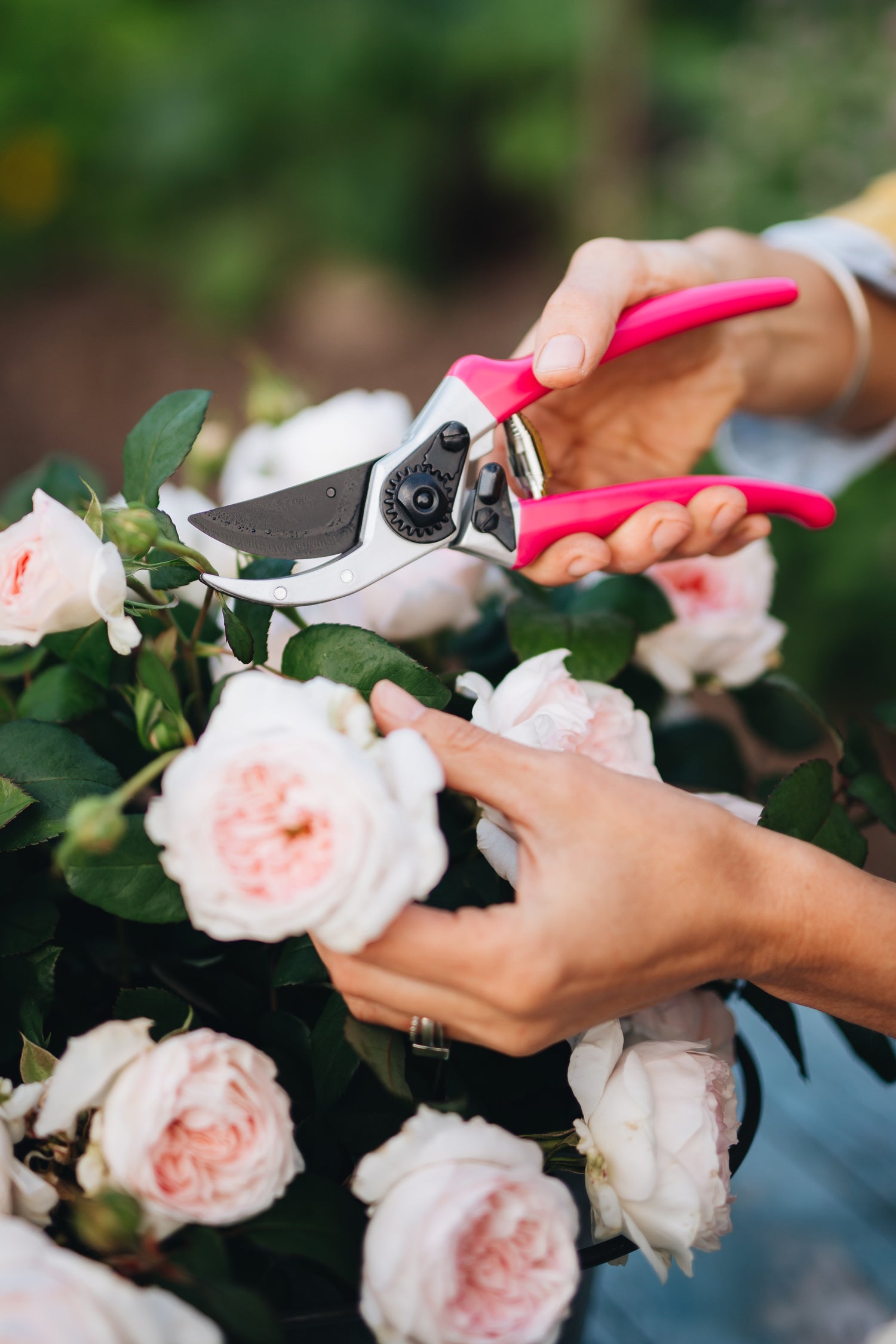
- Roses: Remove any dead or weak growth, and shape the plant to encourage healthy new branches.
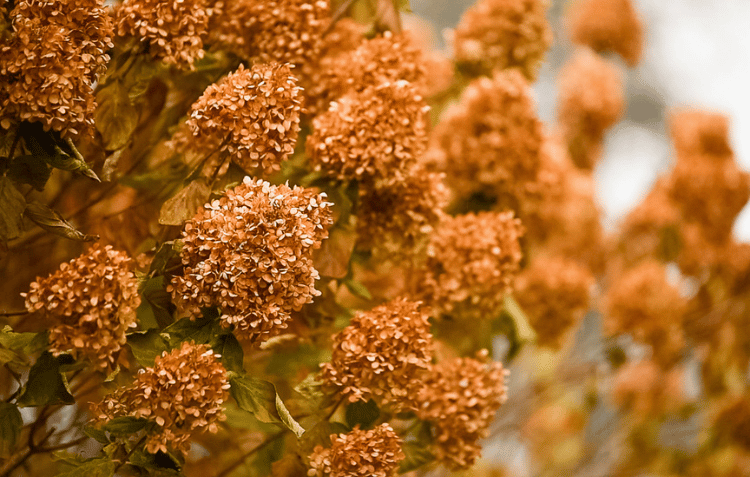
- Hydrangeas: Be careful—only prune those that bloom on new wood, like panicle or smooth hydrangeas. If you’re unsure what type you have, a quick online search can help! (Or just wait until they start growing—better safe than sorry.)

As February comes to a close, think of these tasks as quiet groundwork rather than a race to get everything done. Starting seeds, checking tubers, planning soil, and pruning shrubs are all small steps that build confidence and momentum for the season ahead. Some things will go perfectly, others will teach you something new, and both are part of growing. Keep notes, stay curious, and give yourself permission to learn as you go. Spring doesn’t arrive all at once, and neither does experience. One simple task at a time is more than enough right now.
This blog was written by Roxana Snedeker, if you'd like to find her on socials, you can find her as @soilandmargaritas.