As temperatures drop and daylight shortens, gardeners everywhere start asking the same question: How do I protect my plants through winter? Overwintering plants properly can mean the difference between struggling plants in spring, or a garden that wakes up strong, healthy, and ready to grow.
Whether you’re gardening in colder regions where frost and snow are a given, or in milder climates where winter growth slows but doesn’t stop entirely, knowing what to do, and what not to do, when overwintering plants is essential.
This guide walks through the key dos and don’ts of overwintering plants, with practical tips tailored to different U.S. growing zones to help your garden survive winter and thrive next season.

Why Overwintering Plants Matters
Overwintering isn’t just about protecting plants from freezing temperatures. It’s about helping them conserve energy, prevent stress, and emerge stronger in spring.
For gardeners in zones 5–7, overwintering focuses on insulation, frost protection, and preventing root damage.
In zones 8–10, it’s more about managing moisture, protecting from occasional cold snaps, and supporting plants through slower winter growth.
When done correctly, overwintering helps:
- Prevent root and crown damage
- Reduce plant stress and winter dieback
- Improve spring growth and flowering
- Extend the life of perennials and container plants
The Dos of Overwintering Plants
1. DO Know Which Plants Need Protection
Not every plant in your garden needs winter prep, and knowing where to focus your efforts makes overwintering far more manageable. Put your efforts on:
- Tender perennials (geraniums, cannas, dahlias)
- Container plants (roots freeze faster in pots)
- Newly planted trees and shrubs
- Mediterranean or tropical plants
These plants are far more vulnerable to cold stress than established, cold-hardy perennials.
Zone tip:
- Zones 5–7: Most tender perennials need protection or indoor storage.
- Zones 8–10: Many perennials survive outdoors but still benefit from light protection.
2. DO Mulch for Insulation
Mulching is one of the simplest and most effective ways to protect plants through winter. It works like a blanket, regulating soil temperature and protecting roots from extreme cold and rapid freeze–thaw cycles that can push plants out of the ground.
How to mulch correctly:
- Apply 2–4 inches of mulch after the ground cools
- Use straw, shredded leaves, bark, or compost
- Keep mulch a few inches away from stems to prevent rot
- Mulching is especially important for perennials, roses, and newly planted shrubs.
3. DO Water Before the First Hard Freeze
It may feel counterintuitive, but well-hydrated plants handle cold better than dry ones. Moist soil holds heat more effectively than dry soil, offering extra protection to roots.
- Water deeply before the ground freezes
- Pay extra attention to evergreens and container plants
- In zones 8–10, continue light watering through dry winters
Healthy roots going into winter mean a stronger, faster recovery in spring.
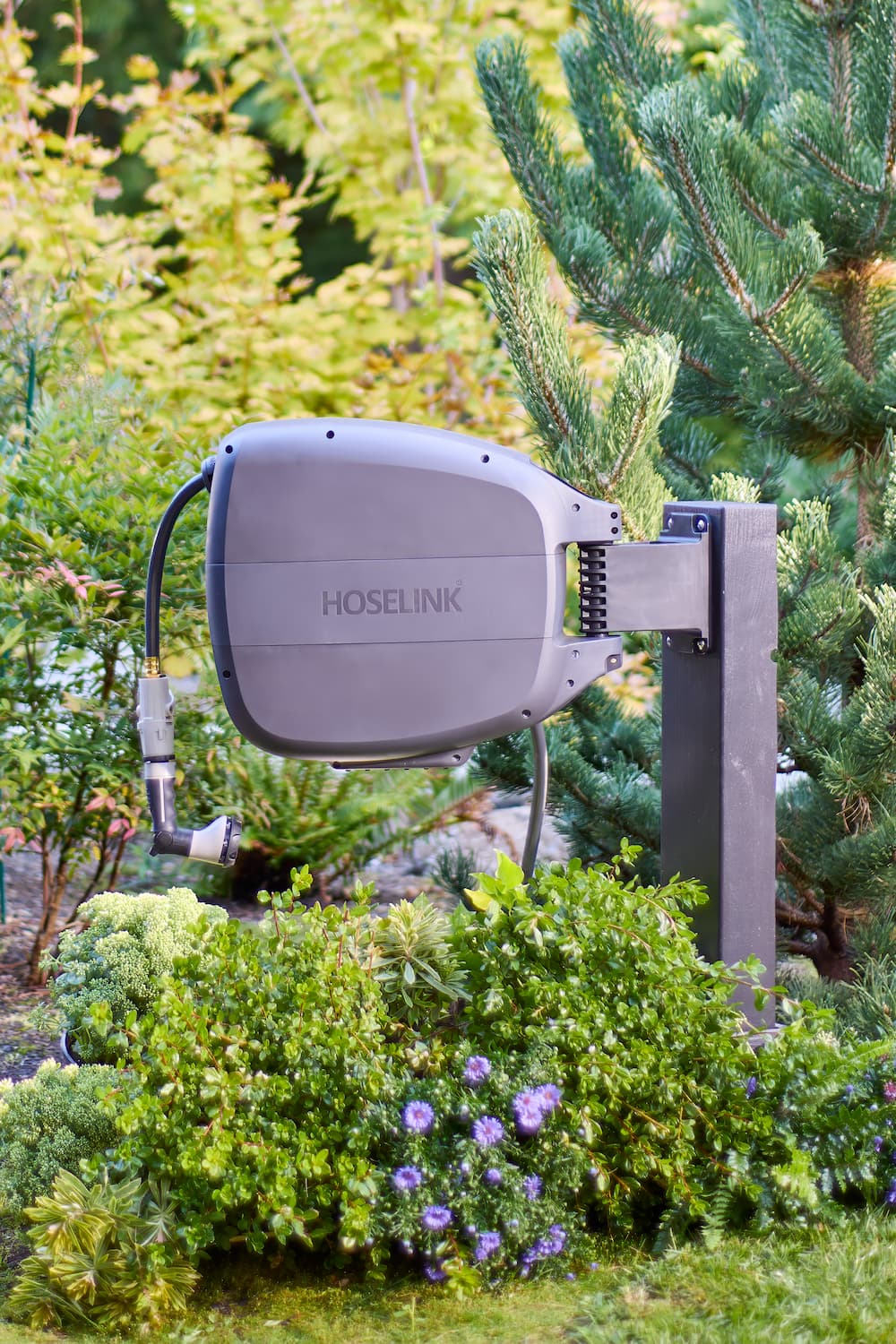
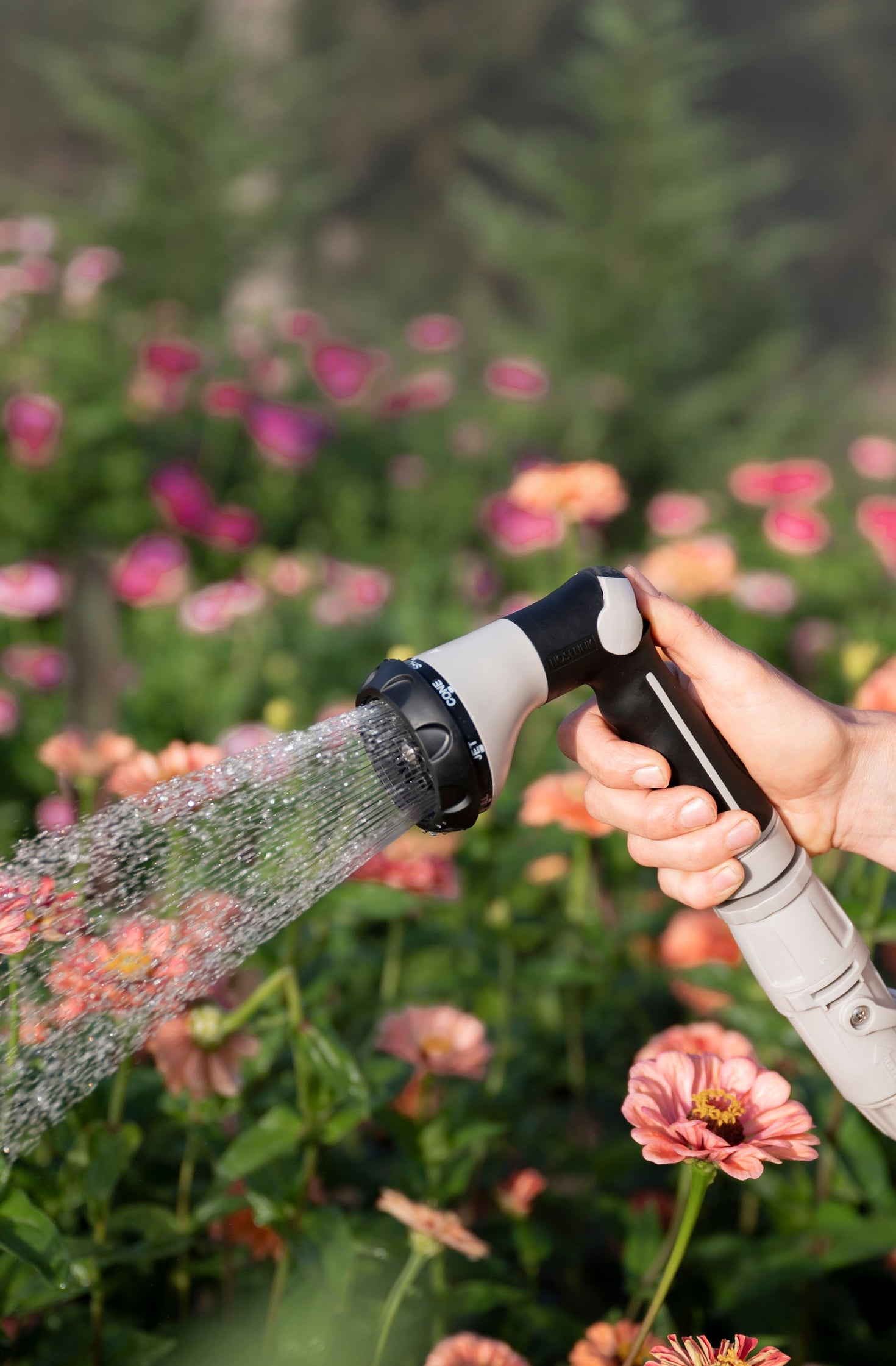
A hose that’s easy to use makes late-season watering less of a chore. The Hoselink Retractable Hose Reels lets you water deep beds without tangles or trips.


4. DO Bring Containers Indoors (or Protect Them)
Plants grown in pots are far more exposed to cold temperatures than those in the ground. Roots can freeze quickly, even when the plant itself appears hardy.
If possible move pots into a garage, shed, or covered porch.
For larger pots that can’t be moved, grouping them together and insulating them with burlap or frost cloth can significantly reduce cold damage.
Tender plants may only need a bright indoor window to survive winter successfully.
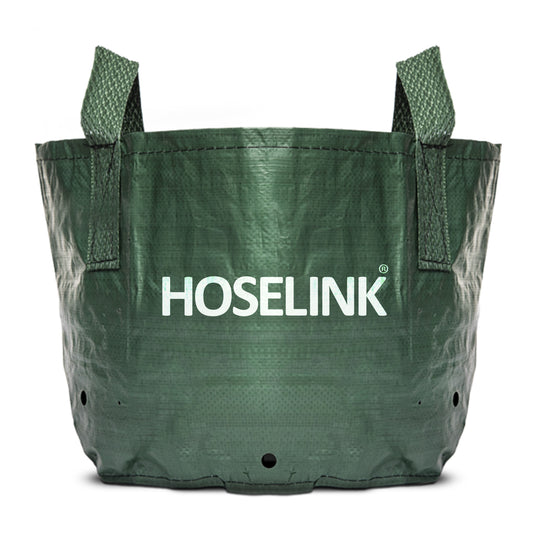
Bringing tender pots inside? Using a Heavy Duty Planter Bag makes it easy to carry multiple containers at once, and keeps your garden neat while you prep for colder weather.

5. DO Cut Back, But Only When Appropriate
Some plants benefit from fall pruning, while others rely on their old growth for winter protection. Knowing the difference is key.
Cut back in fall:
- Spent perennials with disease issues
- Plants that die back completely (hostas, daylilies)
Leave standing:
- Ornamental grasses
- Coneflowers and seed heads (great for wildlife and insulation)
When in doubt, it’s often better to wait until spring.
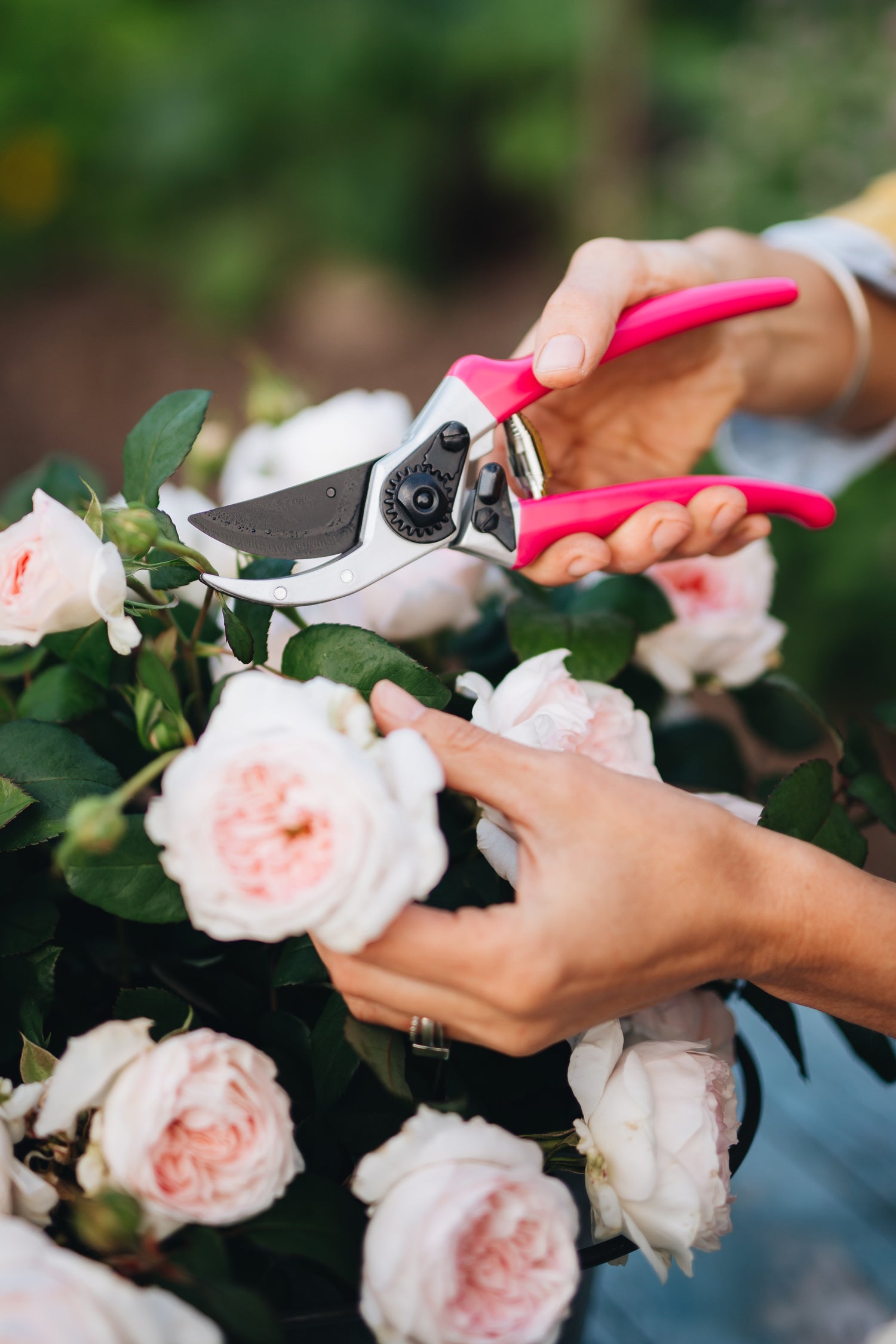
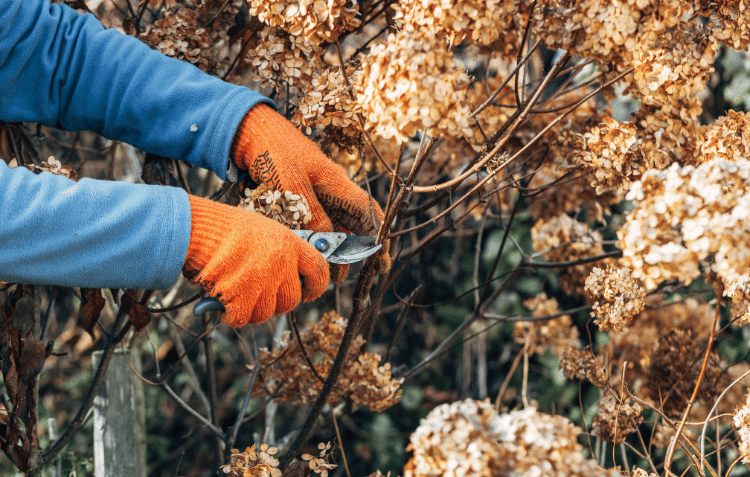
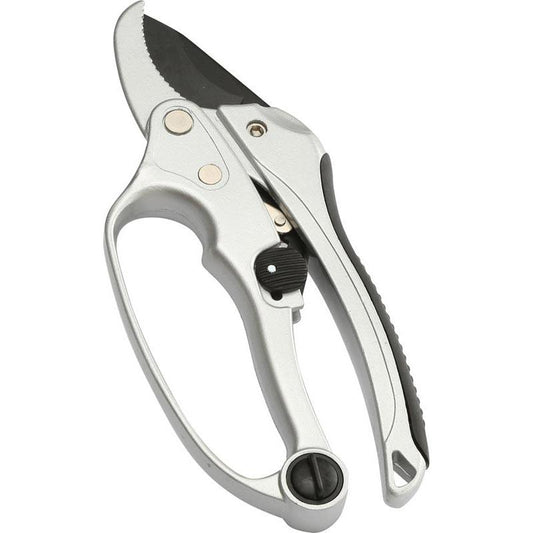
When you do prune, using a reliable tool like the Hoselink Ratchet Pruners ensures clean cuts with minimal effort, helping plants heal quickly and reducing the risk of disease. For woody stems or thicker growth, ratchet pruners allow you to work steadily without strain.
The Don’ts of Overwintering Plants
1. DON’T Overwater During Winter
Overwatering is one of the most common overwintering mistakes. Cold, wet soil can lead to root rot and fungal issues, especially when plants are dormant and using very little water.
Only water when the soil is dry several inches below the surface. In zones 8–10, rainfall often replaces the need for irrigation entirely during winter months.
Zone reminder:
In zones 8–10, rainfall often replaces irrigation needs in winter.
2. DON’T Fertilize Late in the Season
Fertilizing in late summer or fall encourages fresh, tender growth.. exactly what plants don’t need before winter.
Stop fertilizing by early fall and allow plants to slow down naturally. This hardening-off process helps them withstand cold temperatures. Resume feeding in spring once active growth begins again.
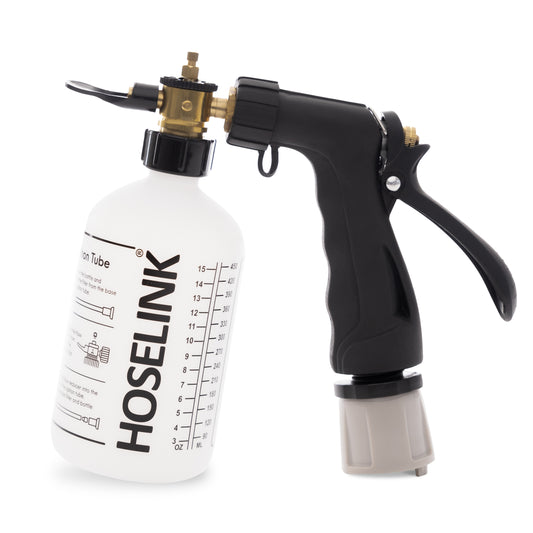
When it’s time to feed again in spring, a tool like the Hoselink Fertilizer Sprayer for Hose makes applying liquid fertiliser simple and uniform, helping plants bounce back quickly after winter dormancy.

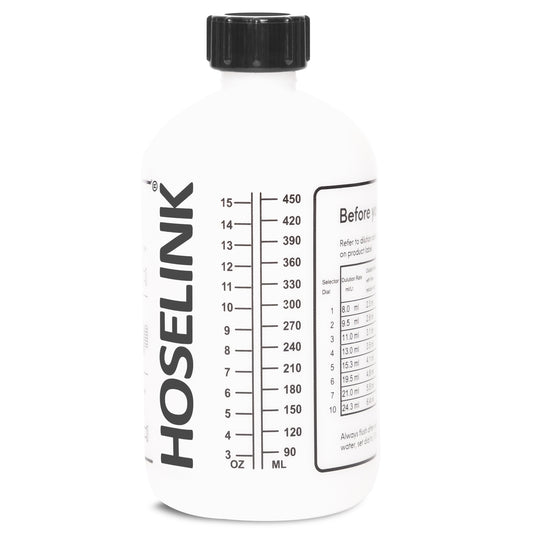
Replacement Bottle for the Fertilizer Sprayer for Garden Hose
3. DON’T Prune Too Aggressively
Heavy pruning before winter can expose plants to cold damage and stress them when they should be conserving energy.
Avoid:
- Cutting back woody shrubs too hard
- Pruning frost-sensitive plants in fall
- Removing natural protection like leaves and stems
When in doubt, wait until spring.
4. DON’T Forget About Pests and Disease
Many pests and fungal diseases overwinter in fallen leaves and garden debris. Leaving infected material in place can set you up for problems next season.
Therefore:
- Remove diseased leaves and plants
- Avoid composting infected material
- Clean tools before storing them for winter
A little cleanup now can prevent major headaches in spring.
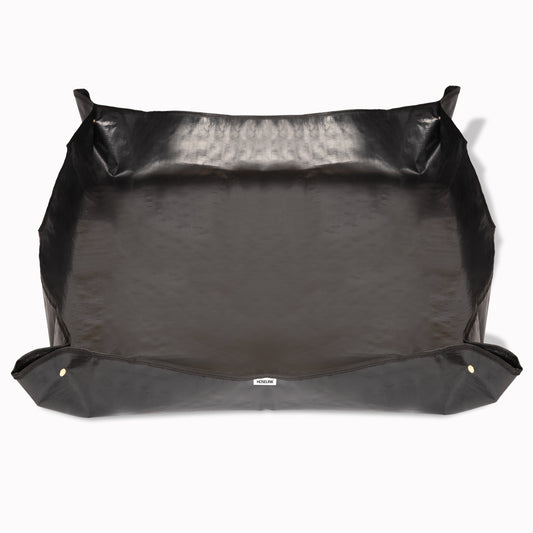
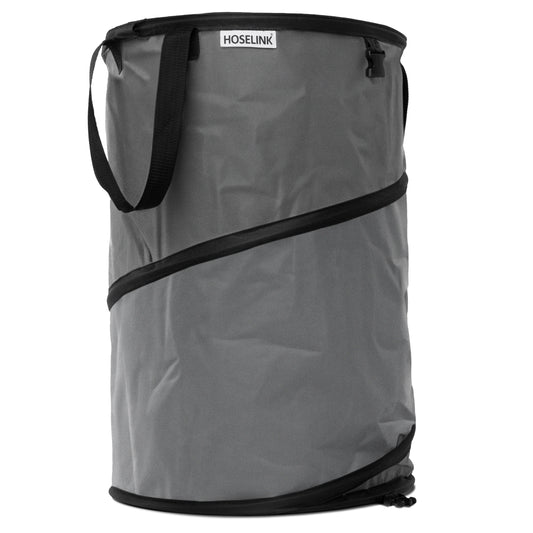
A Hoselink Pop-Up Garden Bag makes collecting and hauling garden waste easy. Just pop it open and go.


5. DON’T Assume Mild Winters Mean No Protection
Even in warmer regions, a single unexpected cold snap can cause significant damage.
In zones 8–10, keep frost cloth on hand and be ready to protect citrus, succulents, and tropical plants when temperatures dip unexpectedly. Containers are especially vulnerable and often the first to show damage.

Overwintering Tips by Gardening Zone
Winter doesn’t look the same everywhere, and overwintering strategies should reflect your climate.
Zones 5–7 (Cold Winters):
- Prioritize mulching and insulation
- Bring tender plants indoors
- Protect roots from freeze-thaw cycles
Zones 8–10 (Mild Winters):
- Focus on moisture management
- Protect from rare frost events
- Continue light maintenance through winter
- Understanding your zone helps you overwinter smarter—not harder.
Set Your Garden Up for Spring Success
Overwintering plants doesn’t have to be complicated. By following a few thoughtful dos and don’ts, you can protect your garden from winter stress and give plants the best possible start when spring returns.
A little preparation now means fewer losses, stronger growth, and a garden that’s ready to thrive as soon as temperatures rise.
Happy winter gardening!