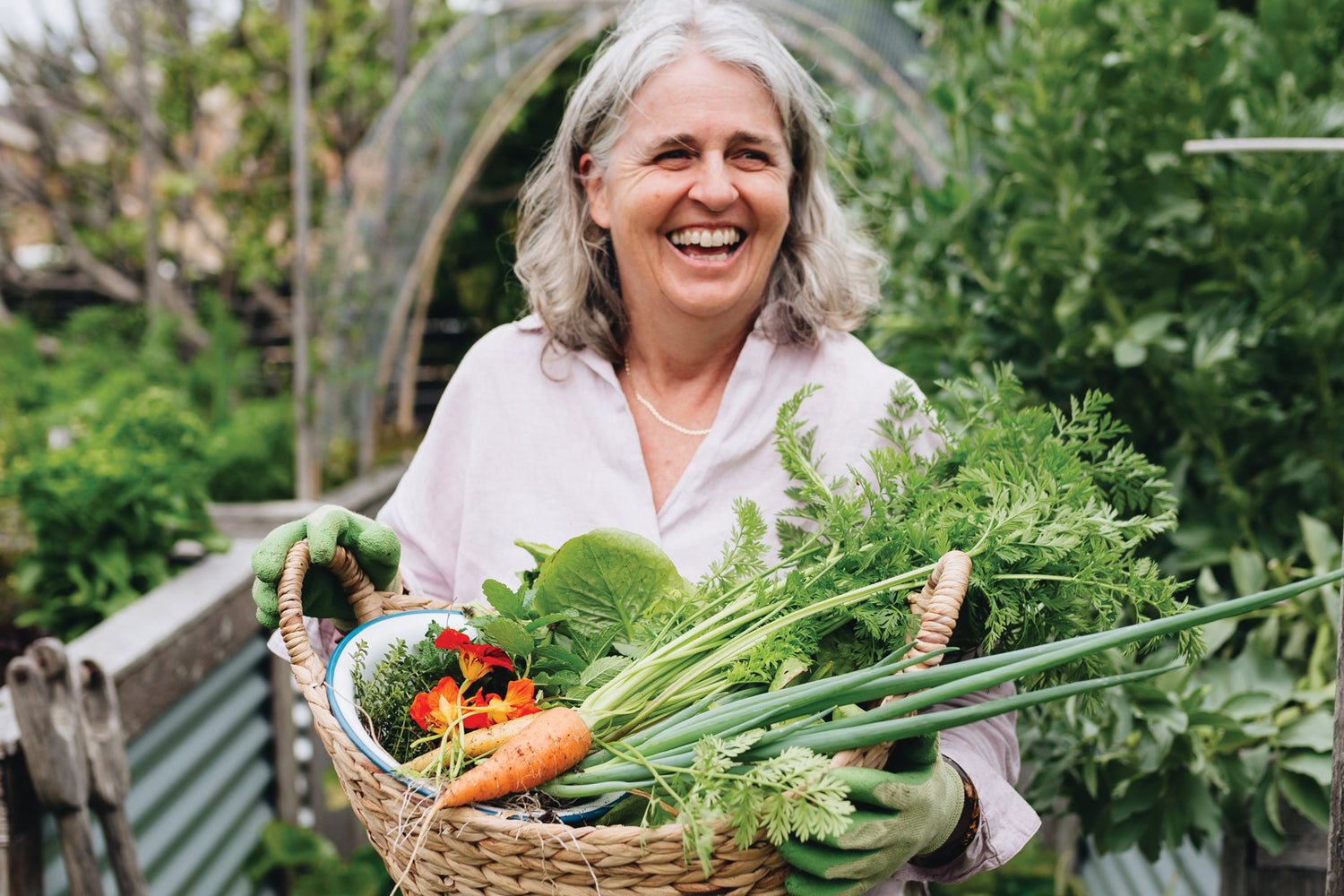
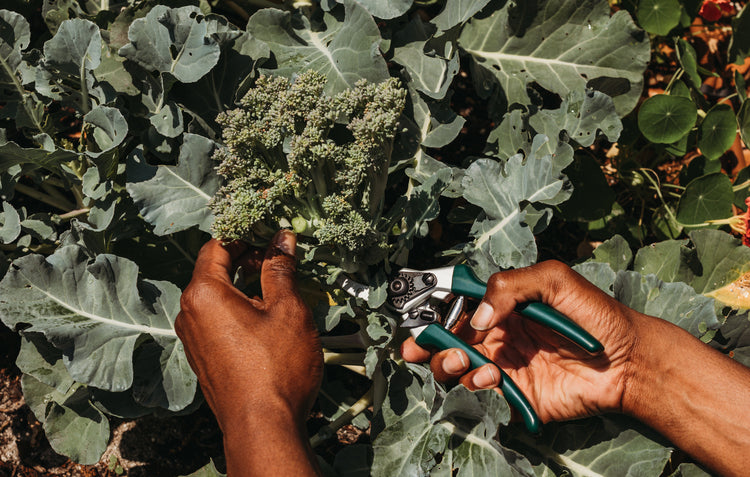
Here’s the thing: heat doesn’t have to mean heartbreak in the garden. With a little preparation and a few smart habits, you can carry your veggie patch right through the hottest months of the year and still walk away with an incredible harvest.

Understanding What Heat Actually Does to Your Vegetables
Plants cool themselves the same way we do, through evaporation. When temperatures push past 86°F, most vegetables start to struggle. Pores in the leaves close to conserve water, which means the plant can no longer cool itself effectively. Growth slows, fruit production stalls, and stress sets in.
The signs are easy to miss at first:
- A little midday droop that perks back up by evening
, - Flowers that form but never set, fruit that develops patches of pale, papery skin.
- Yellowing or scorched leaf edges, caused by sun scald or nutrient issues that heat amplifies
Once you know what to look for, you can act fast and that makes all the difference.
6 Ways to Keep Your Vegetable Garden Thriving in the Heat
1. Water Deeply and at the Right Time
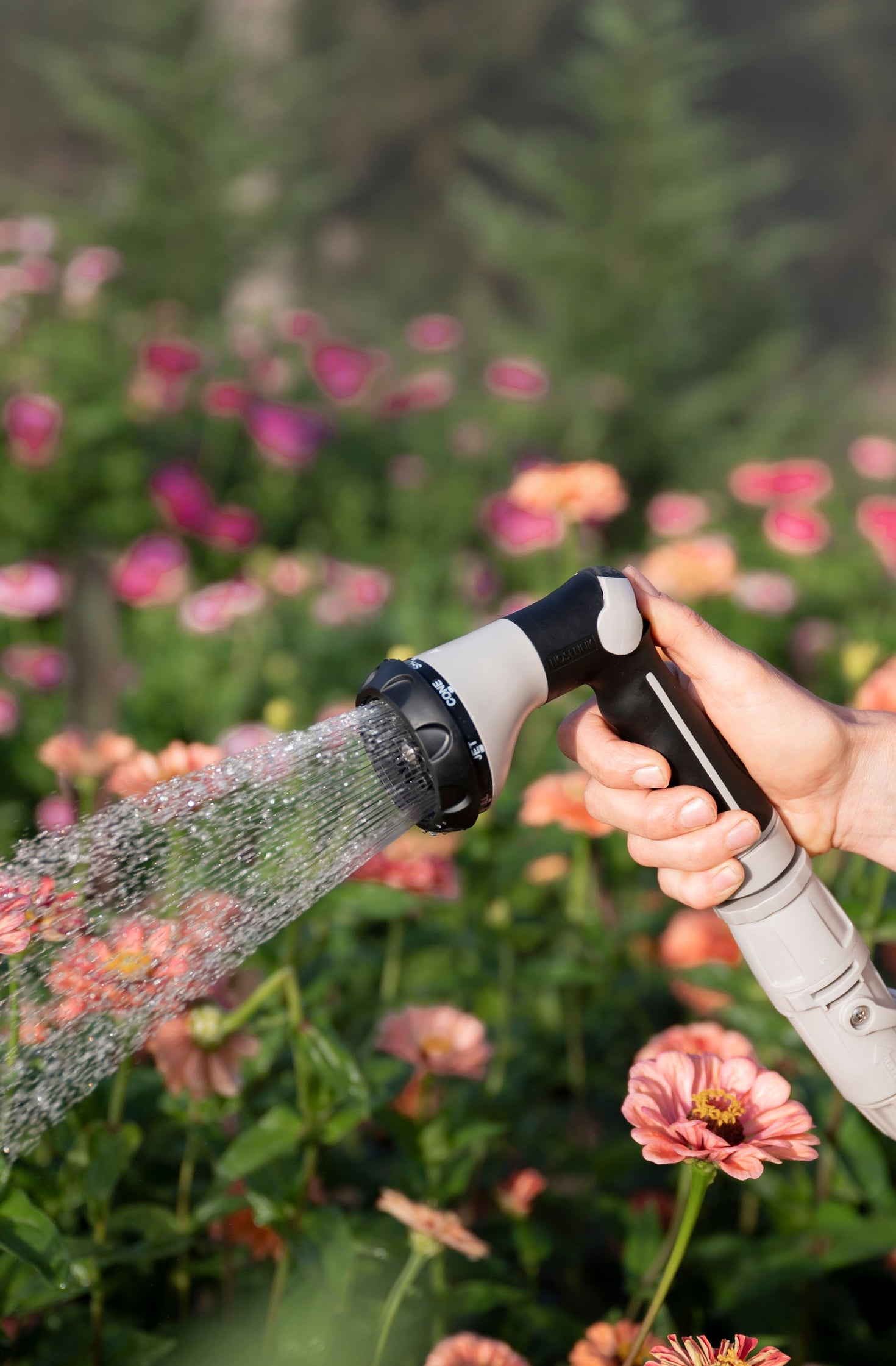
In summer heat, watering becomes even more critical and even more worth getting right. Aim for deep, thorough soaks early in the morning before the heat builds. An automatic hose timer helps with ensuring that your plants get the water they need without the hassle of having to remember to water each morning or evening. This gives moisture time to reach the root zone rather than evaporating off the surface and keeps foliage dry overnight to reduce the risk of fungal disease.
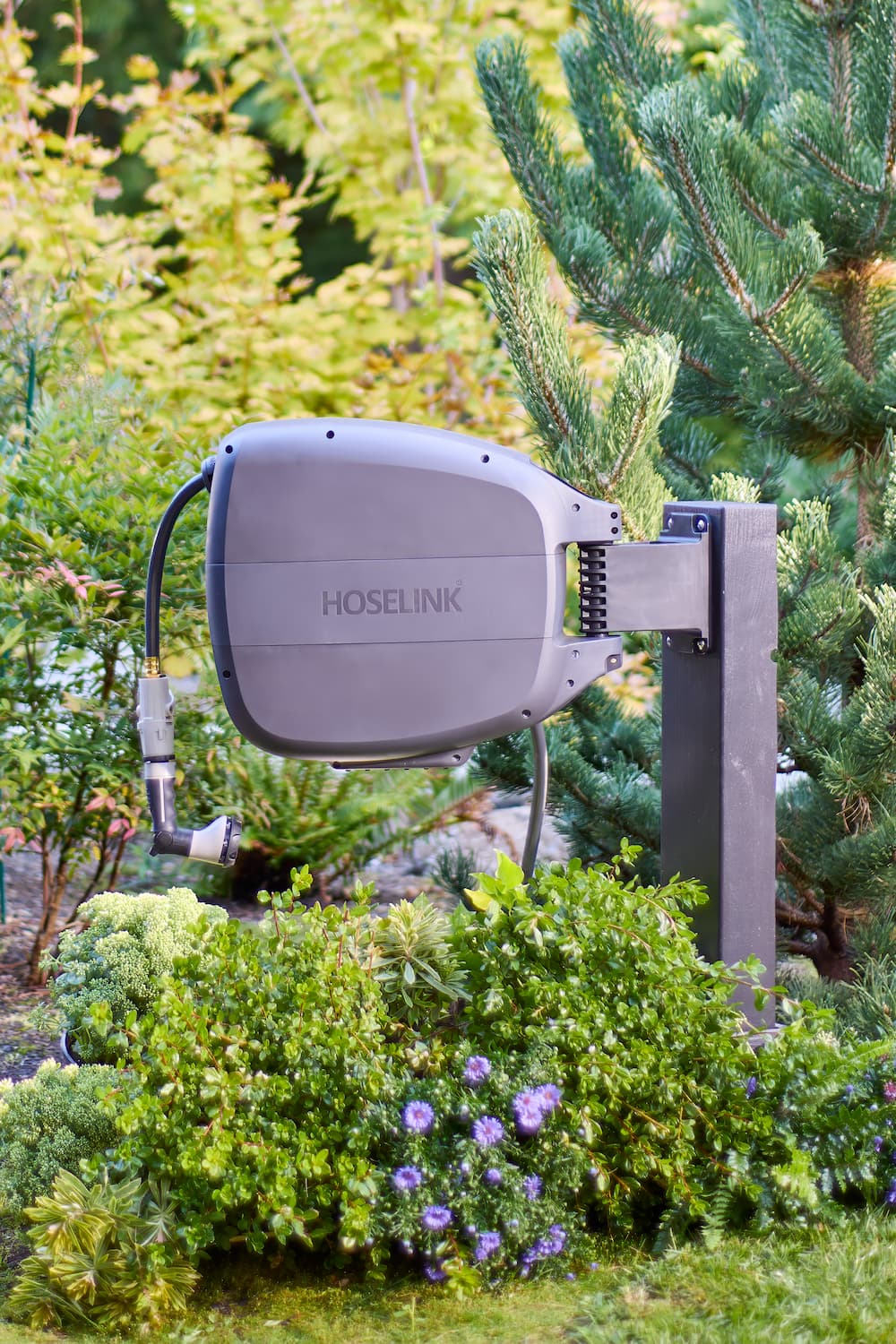
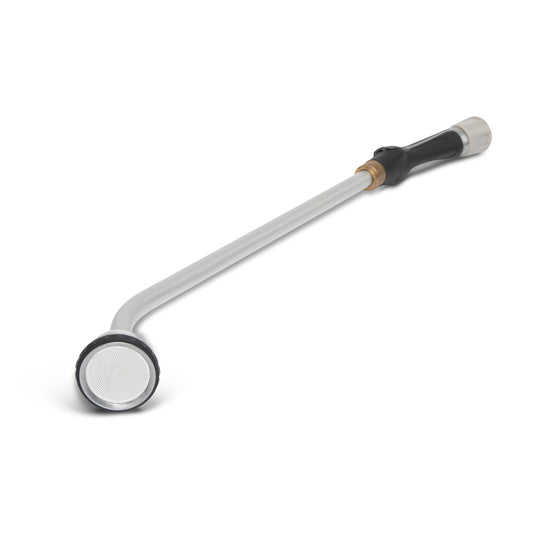
During a genuine heatwave, your veggie garden may need close to twice its usual water around 2 inches per week, delivered in two or three deep sessions rather than daily light sprinkles. Container vegetables can need water twice a day when temperatures soar. Using a long reach watering wand with a retractable hose reel lets you deliver water gently right at the base of each plant no wet leaves, no disturbed mulch, no bending.
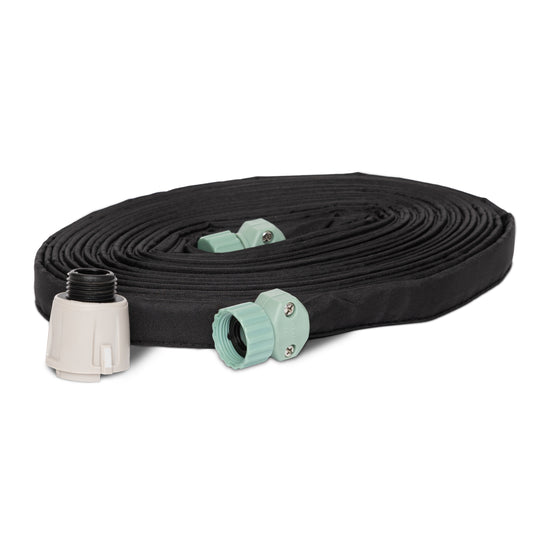
A weeper hose laid along your vegetable rows delivers a slow, steady seep of moisture directly into the soil, exactly where roots need it, with almost no evaporation. It’s one of the most effective upgrades a veggie gardener can make.
For your garden’s trees and shrubs a root waterer & soil breaker delivers water straight to the root zone, right where it’s needed most.

2. Mulch Like You Mean It
While weeper hose and root waterer are some of the best watering upgrades, mulch is the best overall heat defense. A generous 2–3-inch layer around your vegetables can cut soil surface evaporation by up to 50%, keep roots noticeably cooler and suppress the weeds that compete for every drop of moisture.
For veggie beds in summer, our favorite options are:
• Straw is light, airy, and brilliant for tomatoes and peppers
• Compost feeds the soil as it breaks down (a genuine two-for-one)
• Shredded leaves are free from your own yard and surprisingly effective
• Dried grass clippings are great for paths between beds
Apply it after watering while the soil is already moist and keep it a couple of inches away from plant stems to allow airflow.

3. Shade: Your Secret Summer Weapon
Not every vegetable can power through relentless sun. Cool-season favorites like lettuce, spinach, and brassicas genuinely suffer in the heat, bolting, turning bitter, or simply giving up. Shade cloth stretched over hoops above your beds can drop soil temperature meaningfully and extend the life of heat-sensitive crops by weeks.
A 30–40% shade cloth is usually the sweet spot for most vegetables, enough to take the edge off without blocking the light your fruiting crops still need. Even heat-lovers like tomatoes and peppers benefit from afternoon shade when temperatures push above 95°F, as extreme heat can cause blossoms to drop before they set.
4. Choose Your Crops Wisely
Some vegetables were simply born for the heat. Leaning into these through the hottest part of summer isn’t giving up, it’s gardening smart.
Heat-loving vegetables that genuinely thrive:
• Okra is practically unstoppable in heat and humidity
• Sweet potatoes sprawl happily through the hottest months
• Peppers and eggplants come alive when temperatures climb
• Cucumbers and melons are fast-growing and deeply satisfying to harvest
• Southern peas and cowpeas are underrated and incredibly productive
For the crops you’re determined to grow regardless, seek out heat-tolerant varieties. ‘Heatmaster’ and ‘Sun Gold’ tomatoes, for example, are bred to set fruit even when nights stay.

5. Time Your Garden Tasks for the Cooler Hours
This one’s as much about you as it is about your plants. The garden is at its best in the early morning - cool, quiet, full of possibility. Harvest then too: vegetables picked in the morning heat stress while they’re still cool and firm hold up far better than those picked in the afternoon sun.
Save heavy work, digging, transplanting, pruning, for the evening when temperatures drop. Transplanting seedlings in cooler afternoon or evening light gives them a full night to settle in before facing the next day’s heat.
6. Watch for Heat Stress and Act Early
Heat stress is much easier to prevent than reverse. Get into the habit of checking your garden in the morning, before the heat builds, and look for early warning signs:
• Wilting that doesn’t recover after watering (root stress, not just surface dryness)
• Yellowing or scorched leaf edges (sun scald or nutrient issues amplified by heat)
• Blossom drops on tomatoes, beans, or squash (a sure sign temperatures are too high for pollination)
• Pale or whitish patches on fruit (sun scald — common on tomatoes and peppers exposed to afternoon sun)
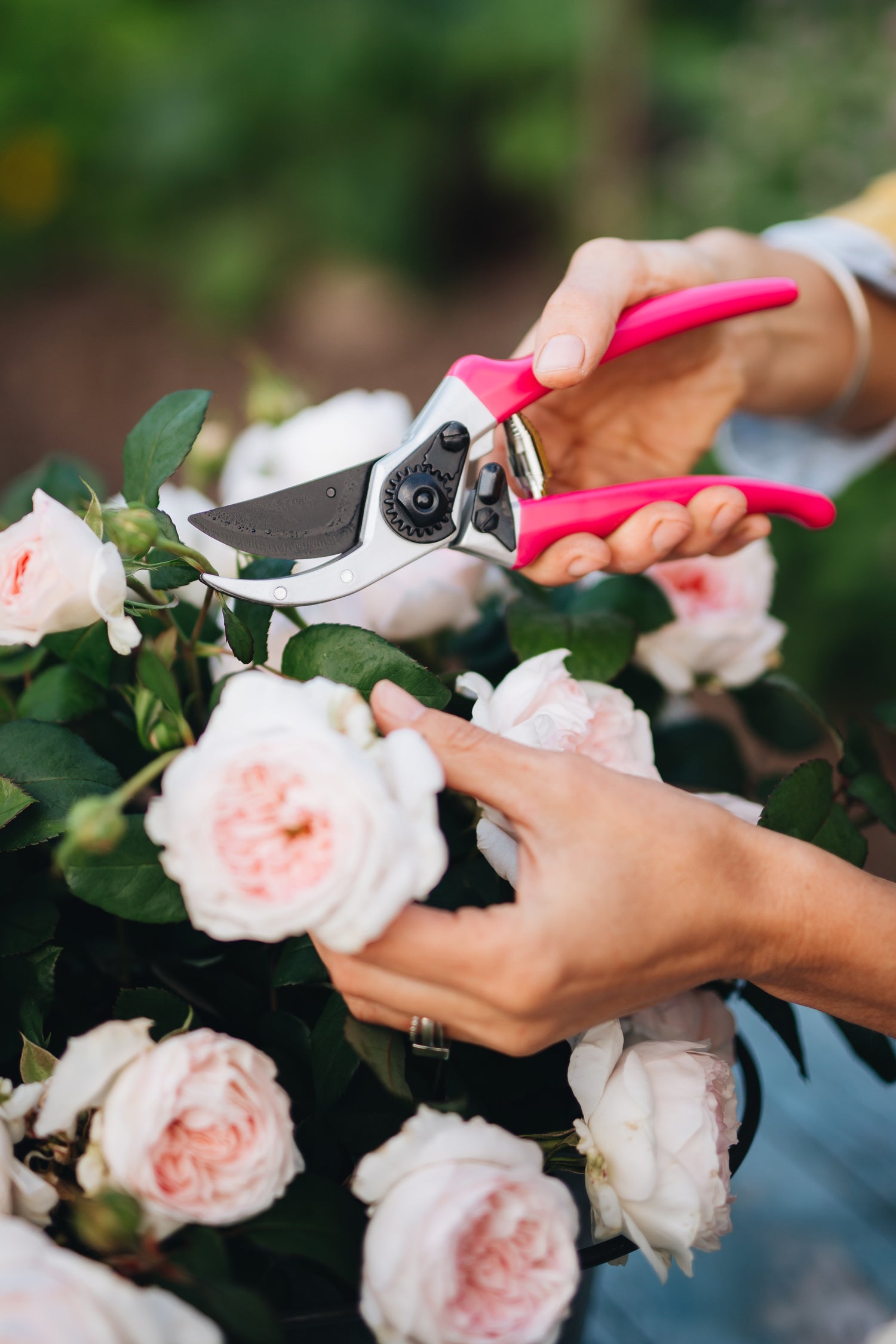
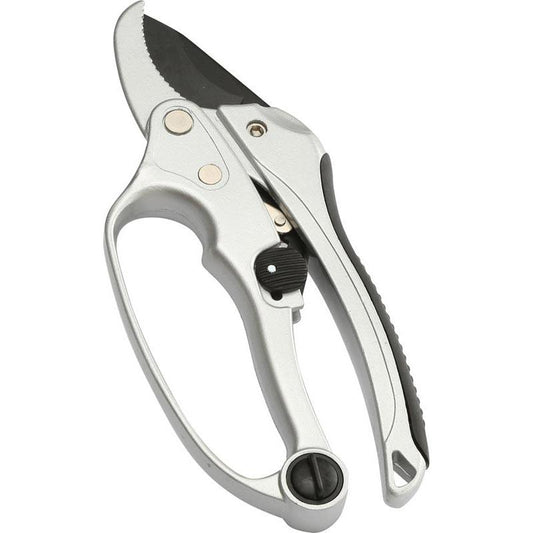
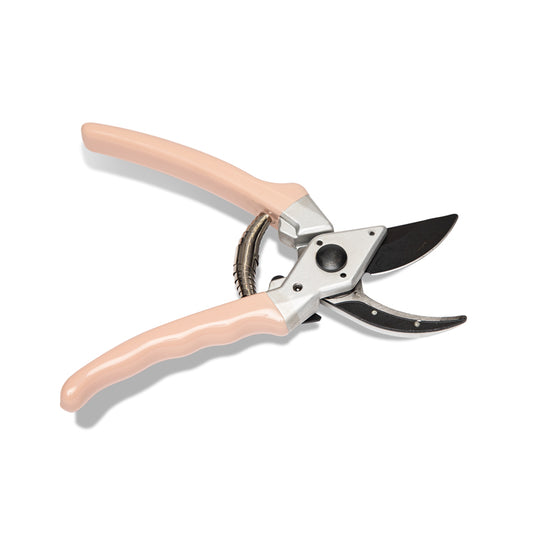
If you catch these early, a combination of extra water, a layer of mulch, and some temporary shade can bring most plants back around. Removing any dead or yellowing leaves promptly reduces stress on the plant, improves airflow, and helps prevent disease from taking hold. A sharp pair of ratchet pruners makes this a quick morning job rather than a chore. Heat-stressed plants are also more vulnerable to pests and disease, so a quick daily check during a hot spell is time well spent.

Hot-Weather Vegetable Gardening Tips by Region
Every garden is shaped by where it grows. Here’s what we’ve found works best in the regions that really feel the summer heat:
Southeast
• Lean into heat-lovers: okra, southern peas, sweet potatoes, and peppers are built for this climate.
• Keep lettuce and brassicas for fall. Trying to push them through July is a losing battle.
• Mulch heavily and water in the early morning to stay ahead of the humidity and heat combination.
Southwest
• Drip irrigation or weeper hoses are almost essential here overhead watering loses too much to evaporation.
• Build shade structures or use shade cloth as a permanent feature, not just an emergency fix.
• Mulch at least 3 inches deep, the soil surface temperature in direct sun can reach damaging levels.
Midwest
• Prepare for intense but shorter heat events. Having shade cloth ready to deploy quickly makes a big difference.
• Work compost into clay-heavy soils to improve drainage and heat resilience.
• Deep watering once or twice a week beats daily light watering every time.
Pacific Northwest
• Heat domes have become a real threat. Have shade cloth and extra water capacity ready before summer, not during
• Tomatoes and peppers that struggled historically now need heat-tolerant varieties to reliably set fruit
• Morning watering is critical the marine air keeps things cool enough that afternoon water can sit on foliage overnight
The Summer Vegetable Garden Is Worth Fighting For
A hot summer isn’t the enemy of a great vegetable garden, it’s just a challenge worth meeting. The gardeners who come through summer with full harvests are the ones who prepare a little, pay attention, and stay flexible. They swap out crops that aren’t thriving, add shade when the forecast climbs, and make sure their watering setup is working for them rather than against them.
Small steps add up fast: lay down mulch this weekend, check your hose fittings for drips, set your automatic watering timer for 5:30 AM. Each one keeps your plants cooler, your soil moister, and your harvest coming.