
Water Smarter, Grow Better: Practical Tips for a Thriving Garden
How to keep your plants happy, your water bill in check, and your love of gardening going strong
If you’ve ever watched a garden struggle through a dry spell, leaves drooping, soil cracking, plants hanging on by a thread, then you know how much water really matters. But here’s the thing: watering smarter doesn’t mean watering less. It means giving your plants exactly what they need, when they need it, in a way that works with nature rather than against it.
Whether you’re tending raised beds in the Carolinas, nursing a native garden in California, or coaxing tomatoes through a Midwest summer, these water-wise tips will help you grow a healthier garden and feel good about every drop you use.
6 Water-Saving Habits Every Gardener Should Know
1. Water Early, Your Plants Will Thank You
There’s real magic to early morning in the garden. The air is cool, the light is soft, and your plants are ready to drink. Watering before the heat sets in means moisture actually reaches the roots instead of vanishing into thin air. Which is exactly where it belongs.
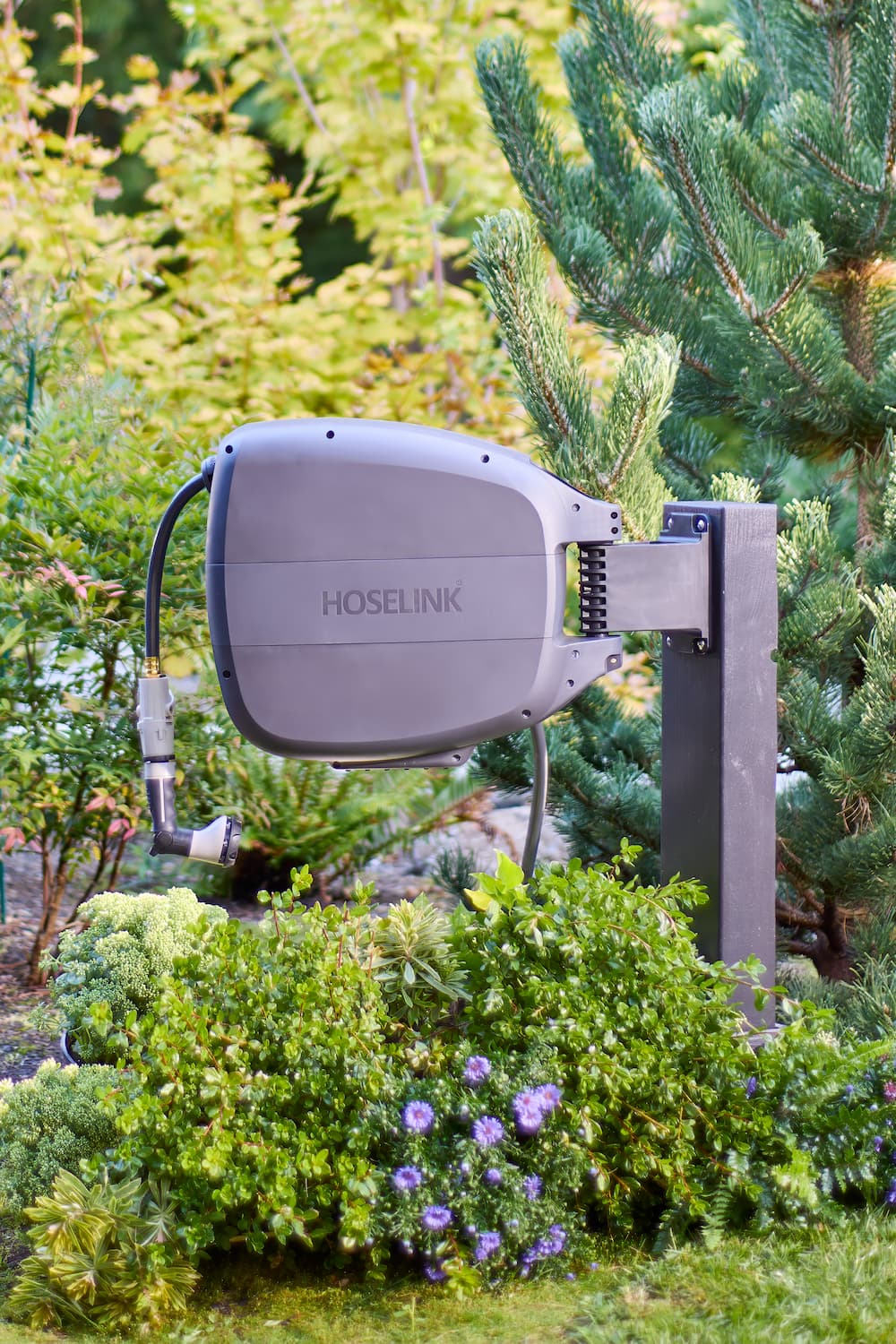
For an even easier morning routine, considering pairing a Hoselink Retractable Hose Reel with an Automatic Hose Timer. Your hose stays tangle-free and ready to go whenever, and the timer handles the watering before you’ve even had your coffee.
2. Water Deeply, Then Step Away
One of the best things you can do for your plants is water less often, but deeply. A good soak once or twice a week encourages roots to chase moisture deeper into the soil, building the kind of strong, resilient root systems that hold up when summer gets tough.
Shallow, frequent watering keeps roots near the surface where they’re vulnerable to heat and drought. Deep watering builds toughness and that pays off all season long.
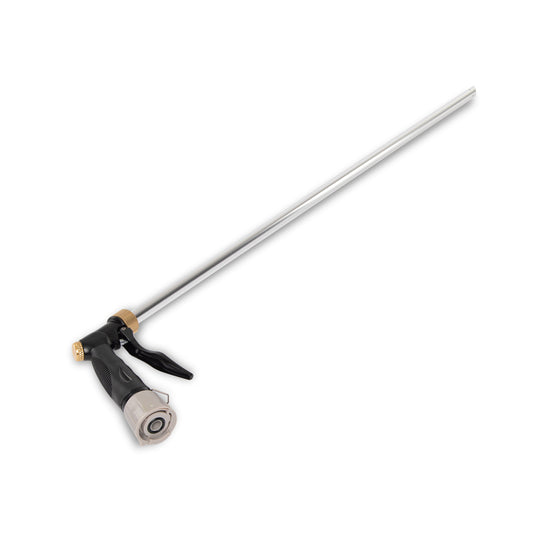
For trees, shrubs, and established plants, consider using the Hoselink Root Waterer & Soil Breaker delivers water straight to the root zone, right where it’s needed most.


3. Mulch: The Garden Hack We Can’t Stop Recommending
If we could only give you one piece of advice, it might honestly be this: mulch everything. A 2–3 inch layer around your plants locks in soil moisture, keeps roots cool on hot days, and quietly suppresses the weeds that compete for every drop of water. It’s one of those changes that makes you wonder why you didn’t do it sooner.
Some of our favorite options:
-
Wood chips or bark mulch (great for pathways and around trees)
-
Compost (feeds the soil as it breaks down, a two-for-one win)
-
Straw (brilliant for vegetable beds)
-
Shredded leaves (free from your own yard and surprisingly effective)
4. Plant Smart and Group by Water Needs
Gardeners who love planning will appreciate this one: grouping plants by their water needs, sometimes called hydrozoning, is one of the most effective ways to stop overwatering without even thinking about it.
Put your drought-tolerant plants together (succulents, natives, ornamental grasses) and your thirstier plants in a separate zone (vegetables, flowering annuals, fruiting shrubs). Each zone gets what it actually needs, no more, no less.
It’s a small change at planting time that makes a real difference all season long.

5. Upgrade to Targeted Irrigation
Traditional overhead sprinklers scatter water which is great for wider spaces and lawns. Targeted irrigation systems put water exactly where it needs to go, slashing evaporation and runoff without sacrificing a single thirsty tomato. Examples of targeted irrigation include:
-
Drip irrigation for precise, slow delivery to individual plants
-
Weeper or soaker hoses that seep moisture steadily along garden beds
-
Automatic Hose Timers that adjust to weather conditions automatically
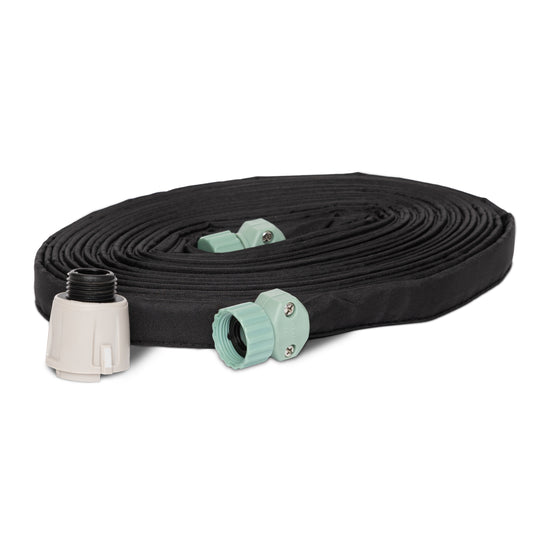
The Hoselink Weeper Hose gently seeps water directly into the soil along its entire length. It’s perfect for long vegetable rows or established garden beds where consistent moisture makes all the difference.
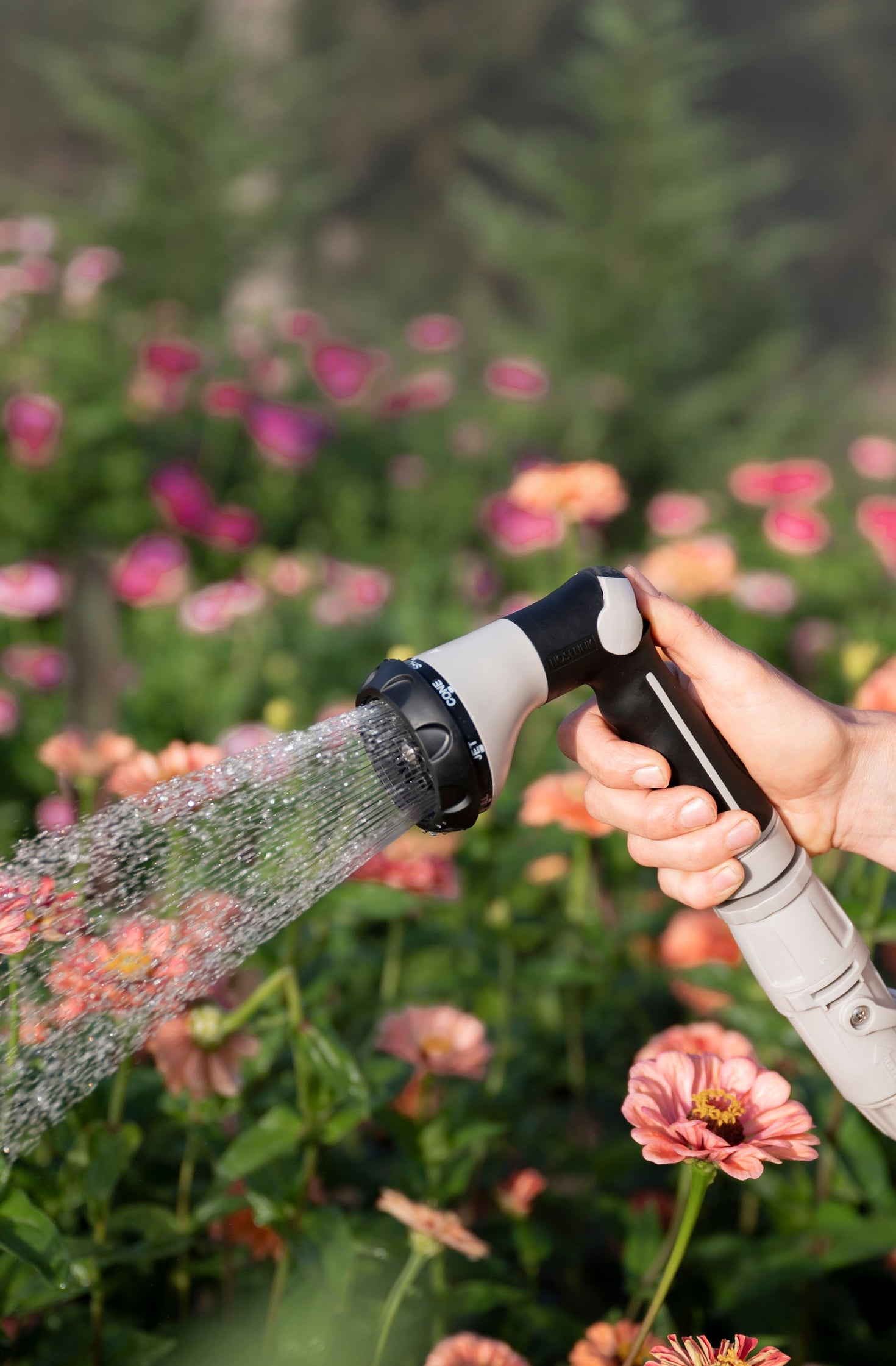
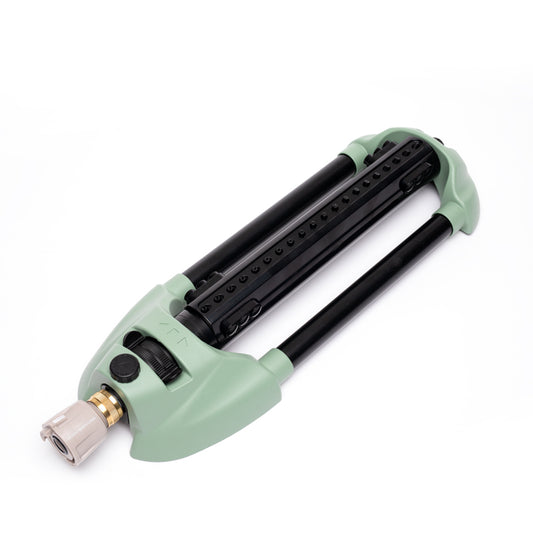
For lawns or wider garden areas, the Hoselink Oscillating Sprinkler delivers even, gentle coverage while minimizing overspray and runoff onto paving.

6. Don’t Let Leaks Undo Your Hard Work
A dripping hose fitting might not look like much, but left unchecked it can waste hundreds of gallons over a season. We’ve seen it happen, all that care and effort, quietly flowing away into the ground.
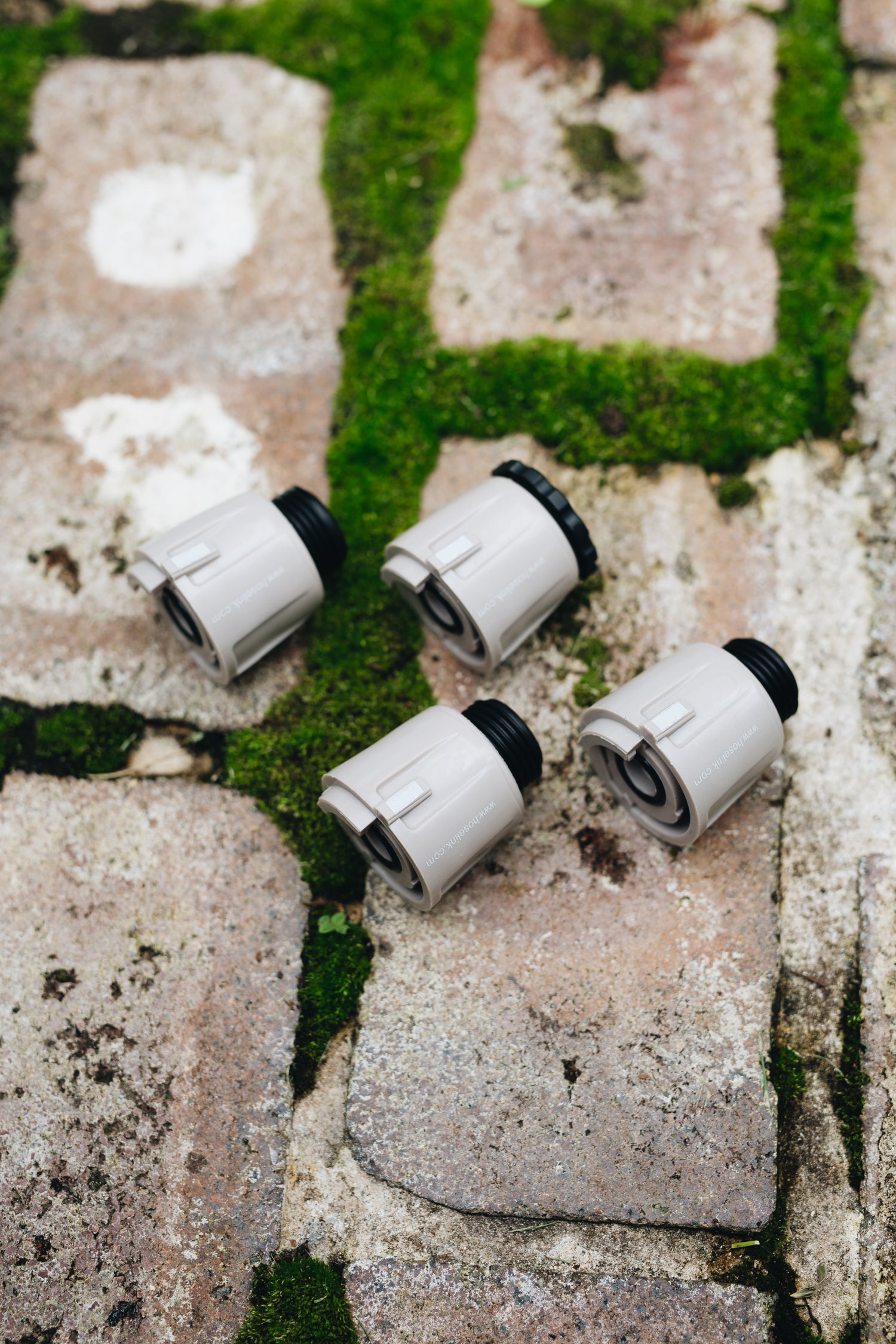
Quality connectors make a genuine difference. Look for fittings that create truly watertight seals and make it easy to swap between tools without fighting with the hose. The Hoselink Faucet Adapters & Connectors are built to do exactly that — secure connections, easy switching, and no more puddles at the tap.

Watering Tips for Your Region
Every garden is shaped by where it grows. Here’s what we’ve found works best across different climates:
Northeast
-
Let your grass grow a little longer in summer, it shades the soil and holds onto moisture beautifully
-
Feed your soil with compost regularly to build its natural moisture-holding capacity
-
Explore drought-tolerant perennials, they come back stronger every year with minimal fuss
Southeast
-
Install a rain shut-off sensor, it stops your irrigation automatically after rainfall so you’re not doubling up
-
Give the garden a day off after a good downpour, the soil holds more than you think
-
Warm-season grasses are made for this climate, choose them for a lawn that thrives without constant irrigation
Midwest
-
Heavy clay soil can struggle to absorb water quickly, working in compost transforms them over time
-
Deep weekly watering beats a light daily sprinkle every time, your roots will go looking for it
Pacific Northwest
-
Native plants are your secret weapon here, they’re perfectly tuned to the seasonal rhythms of Pacific Northwest rainfall
-
Where permitted, greywater systems are a wonderful way to give ornamental gardens a second life from household water
Southwest
-
Xeriscaping isn’t just practical, it’s genuinely beautiful. Gravel, native plants, and succulents create landscapes that thrive without the stress
-
Swap out water-hungry lawns for drought-resistant ground covers, shrubs, and ornamental grasses, your water bill will notice
-
Drip irrigation is the gold standard in dry climates — use it wherever you can
Your Garden, Your Way with Less Waste
Saving water doesn’t mean giving anything up. It means being intentional and that intention tends to make you a better gardener. You start noticing your soil more. You pay closer attention to how your plants respond. You get more out of every hour you spend outside.